EN
EN
 cn
cn 

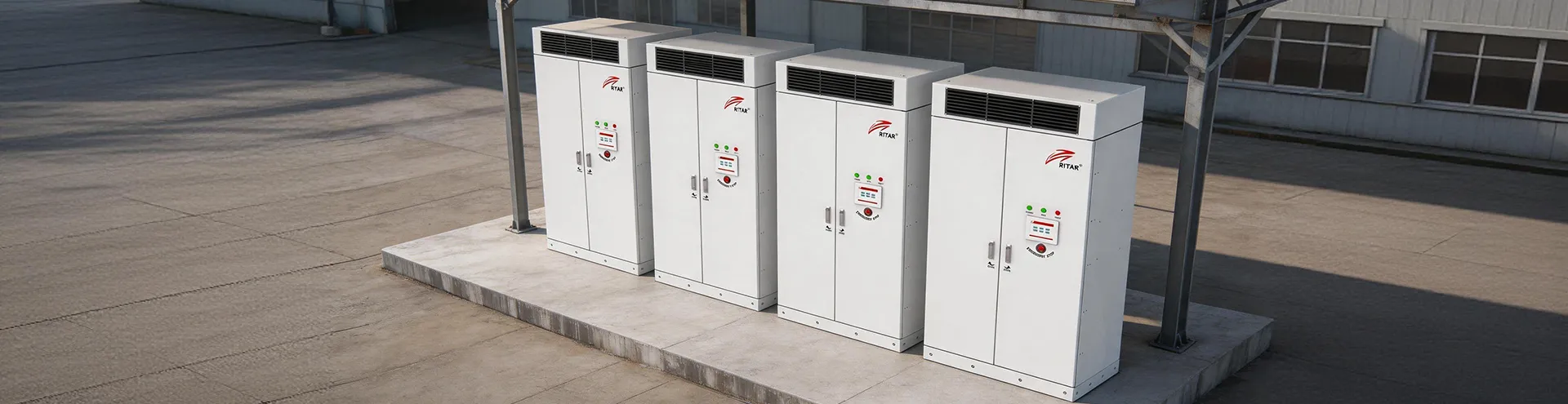
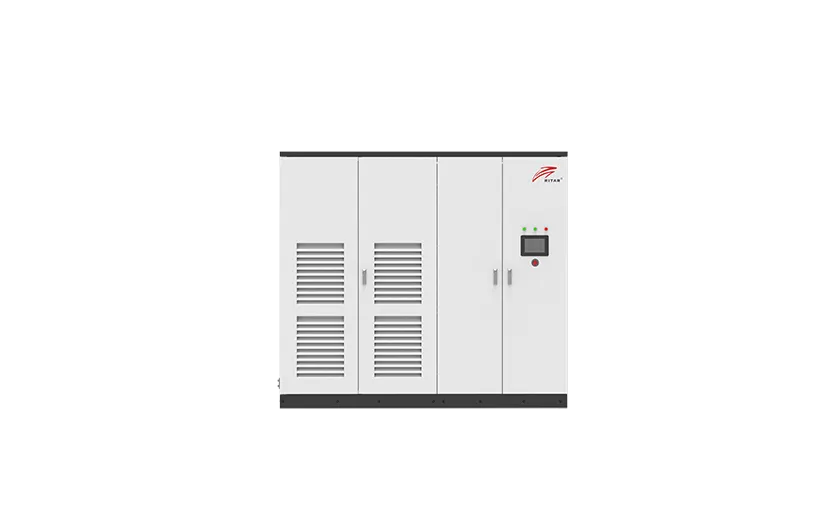
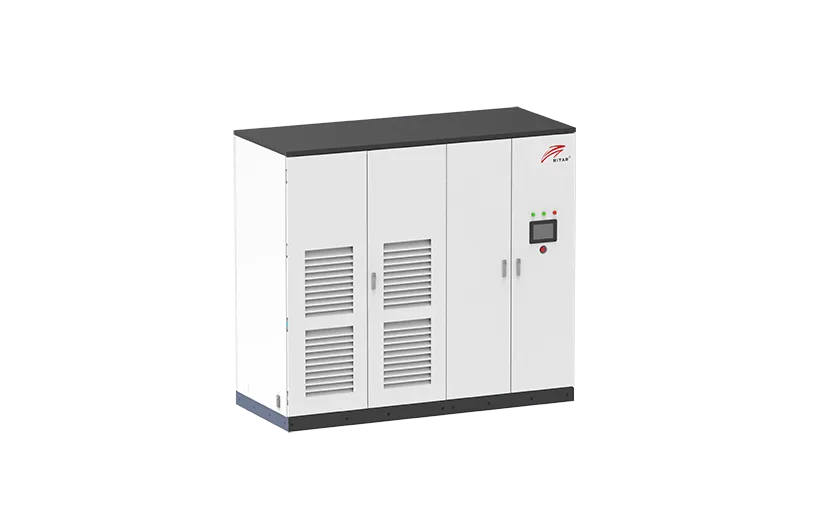
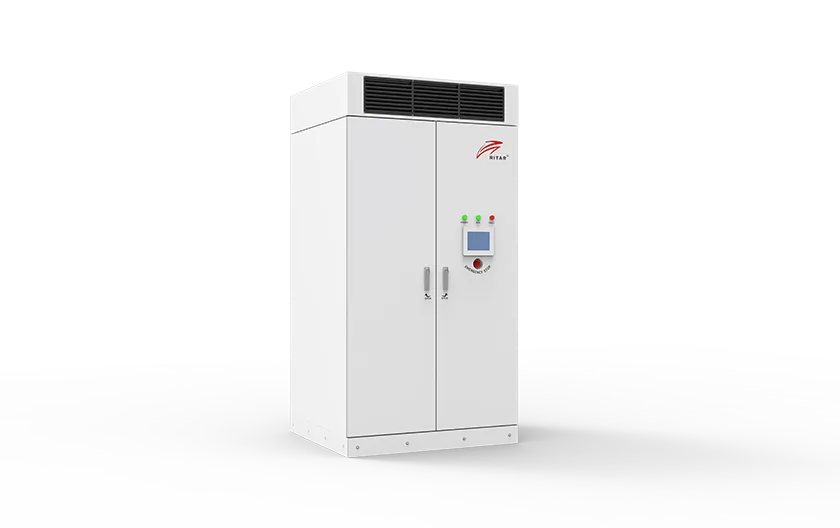
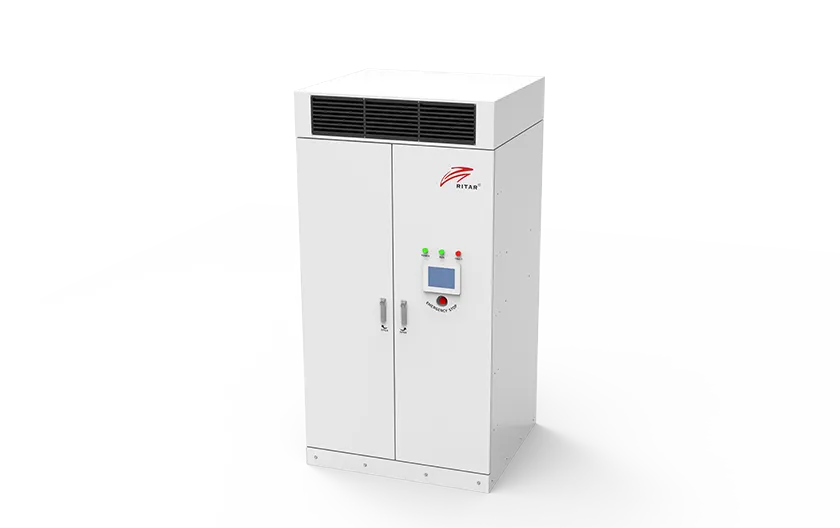
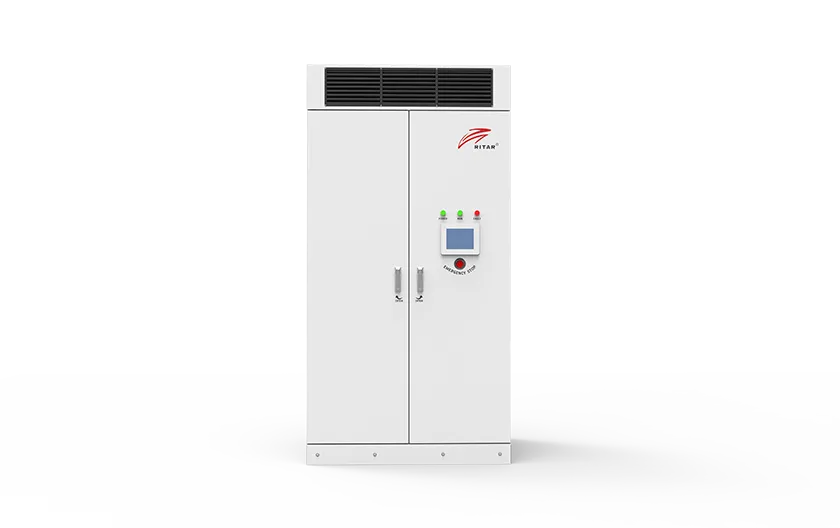
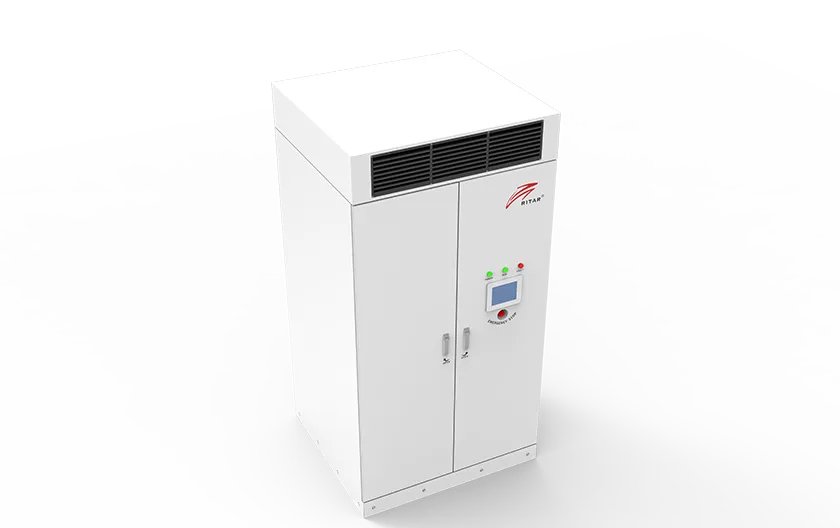
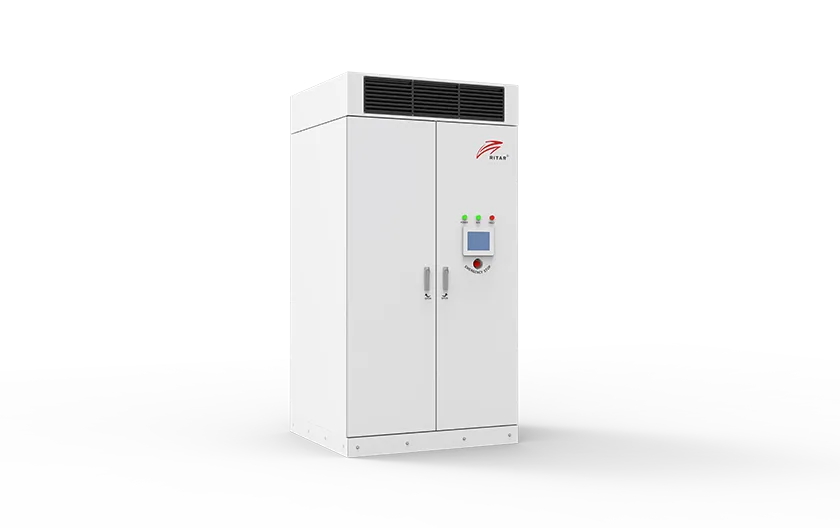
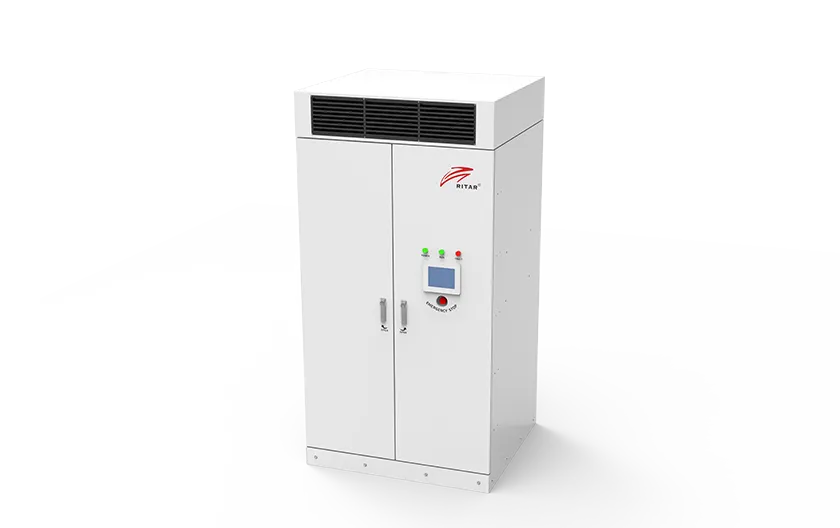
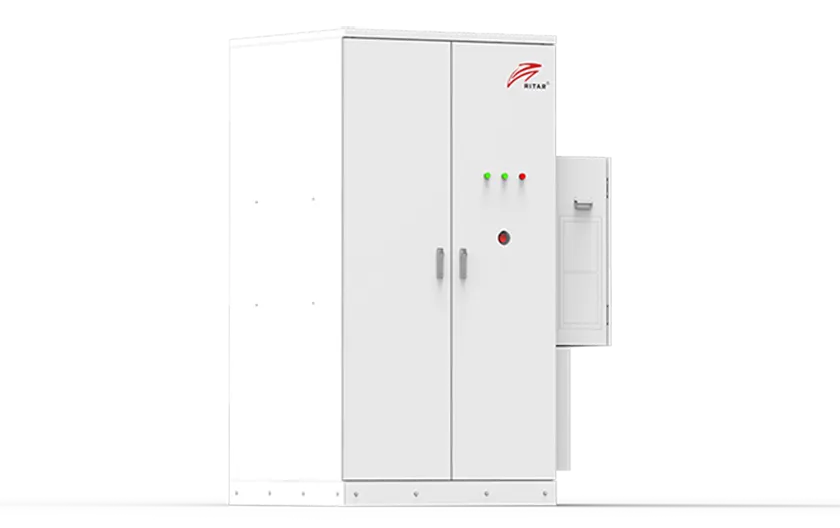
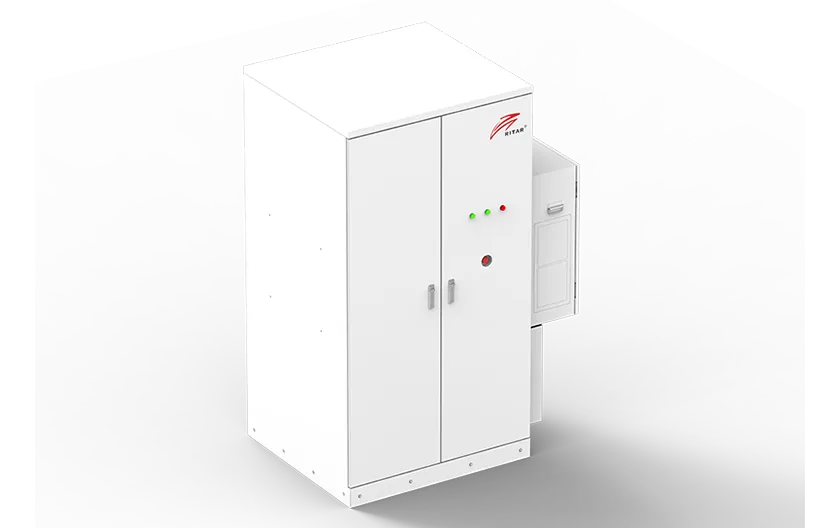
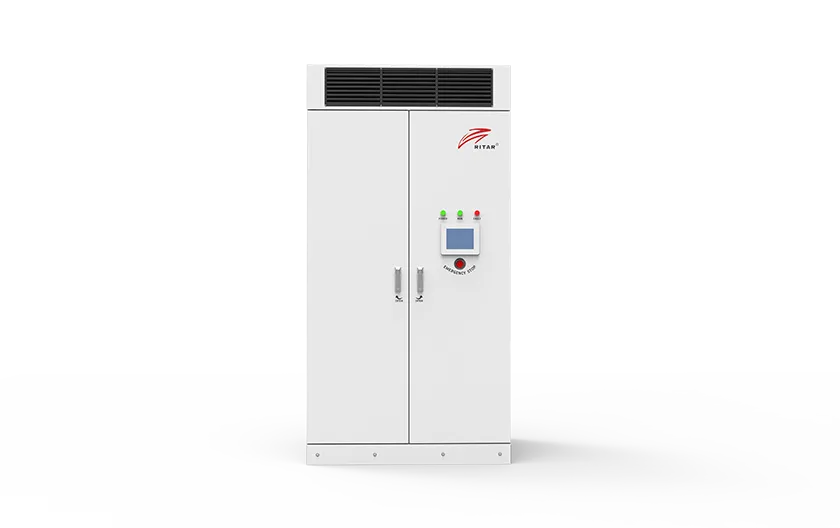
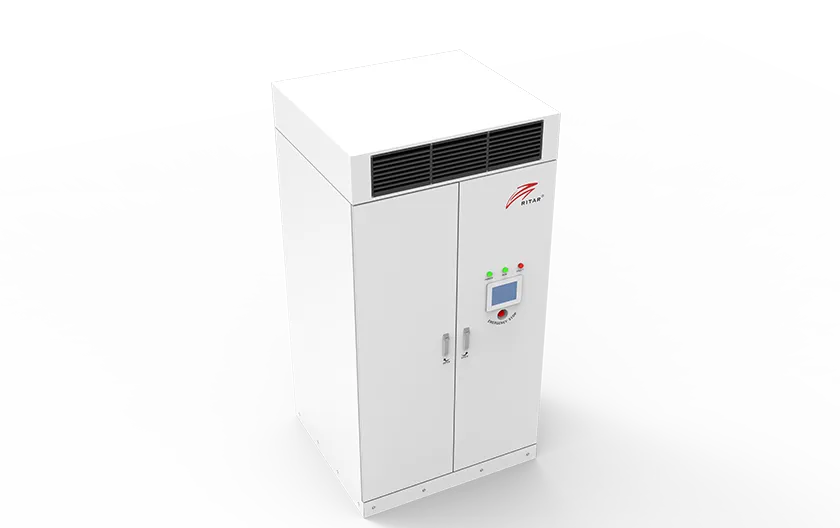
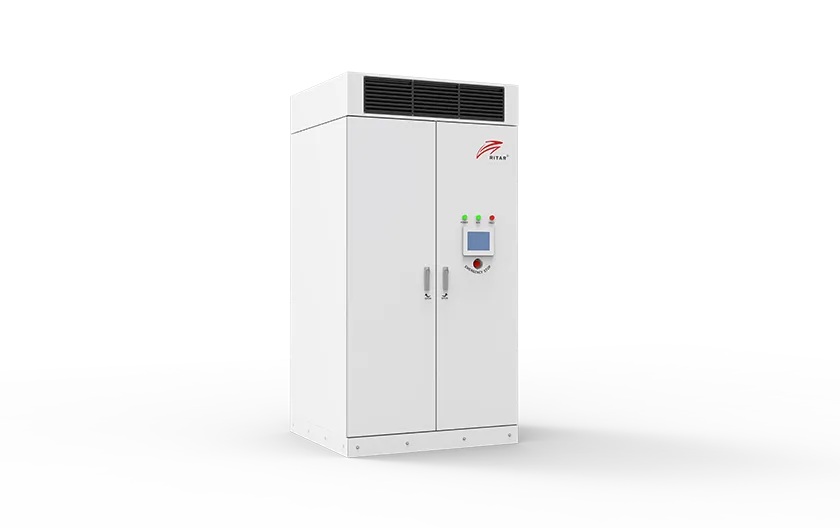
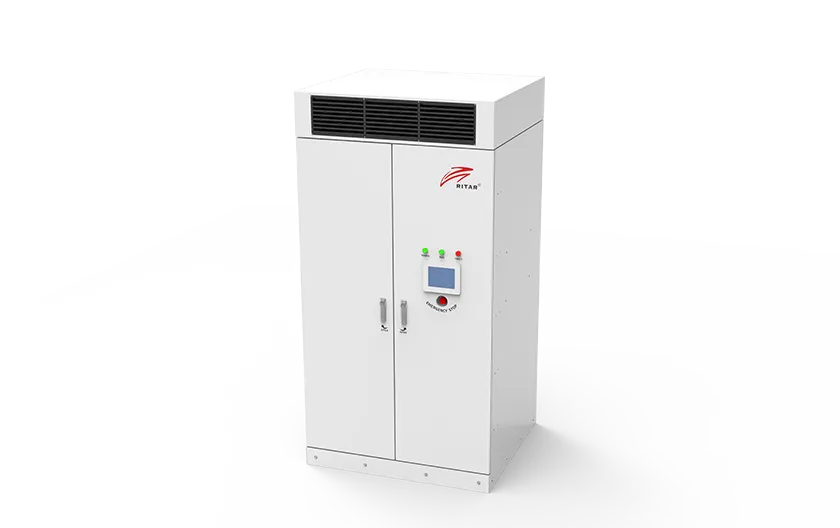
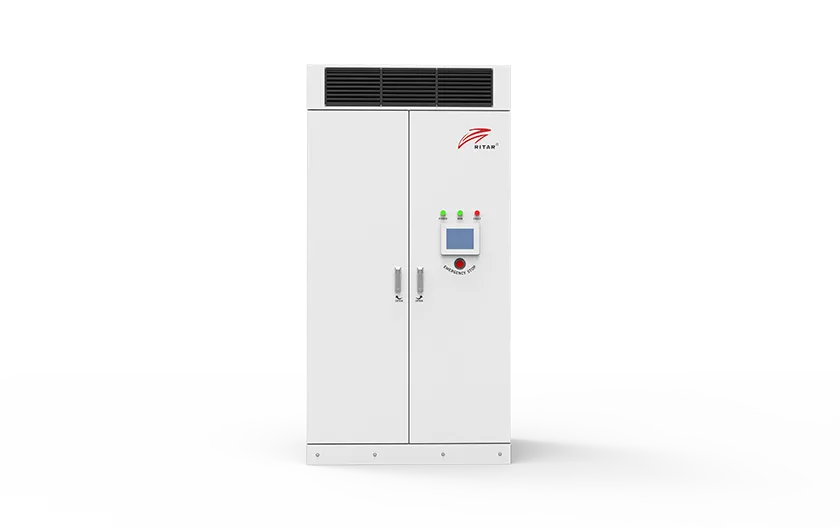
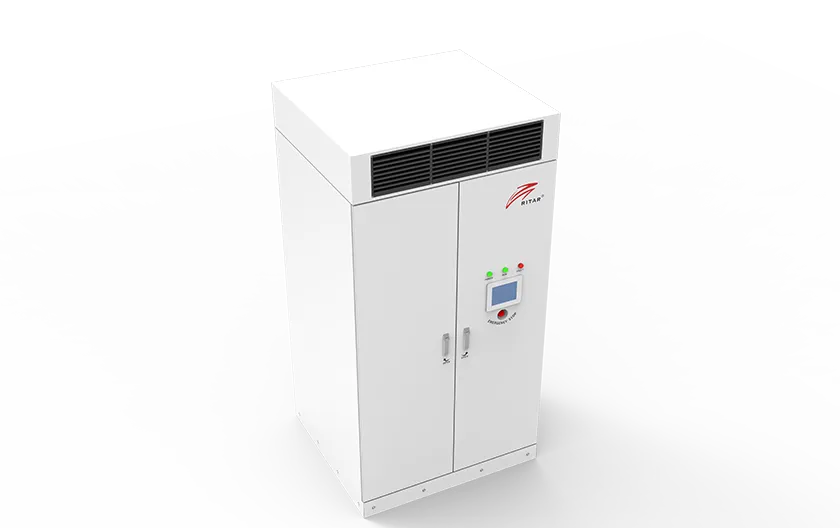
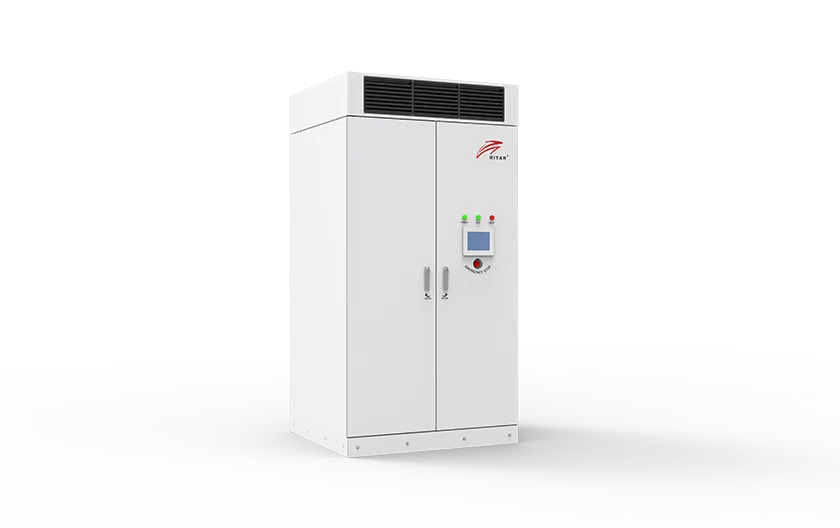
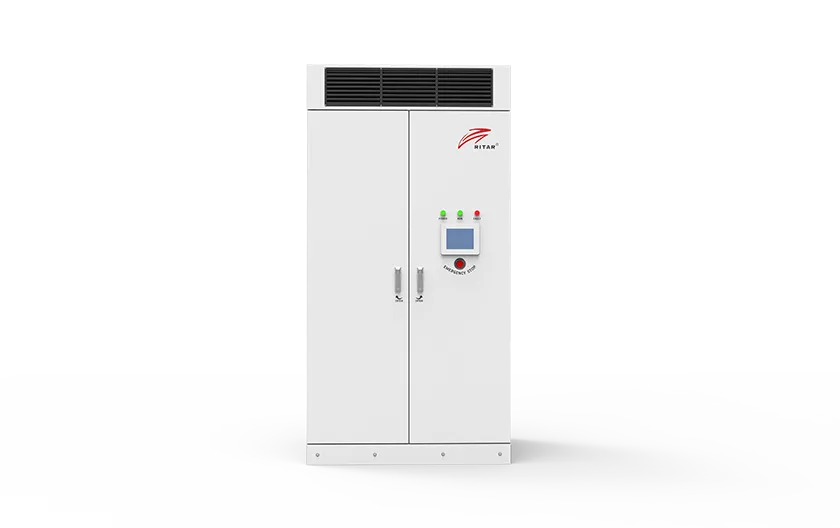
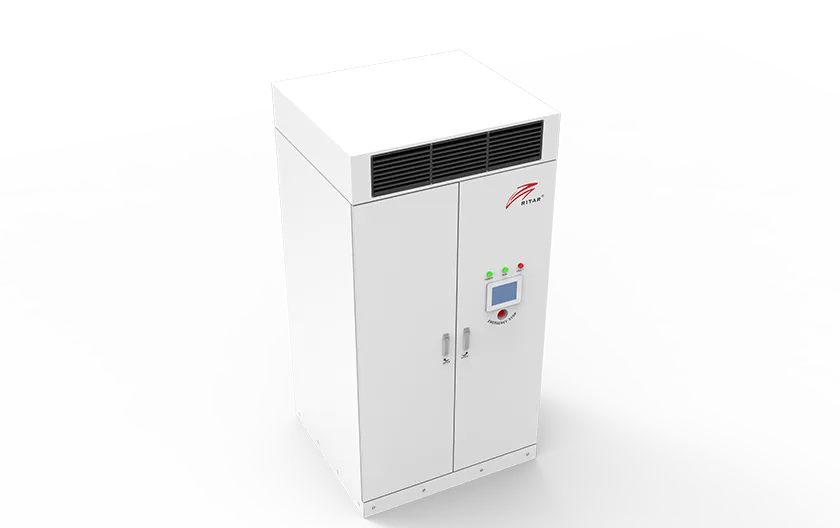
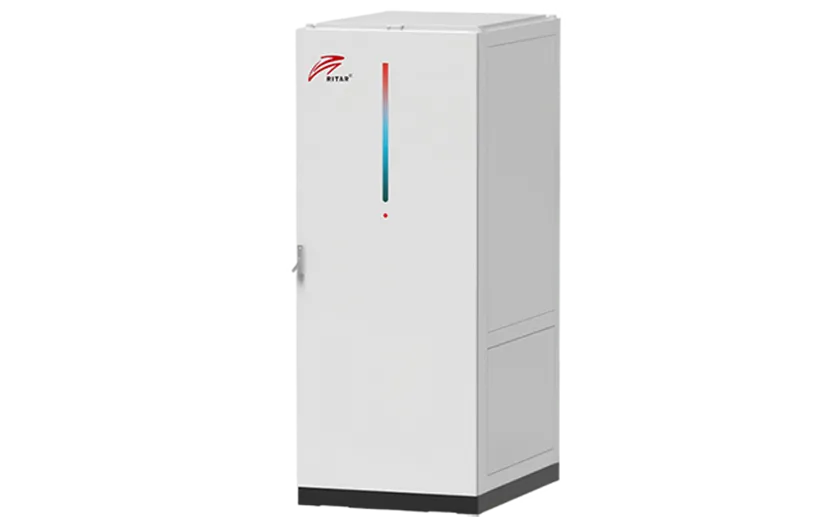
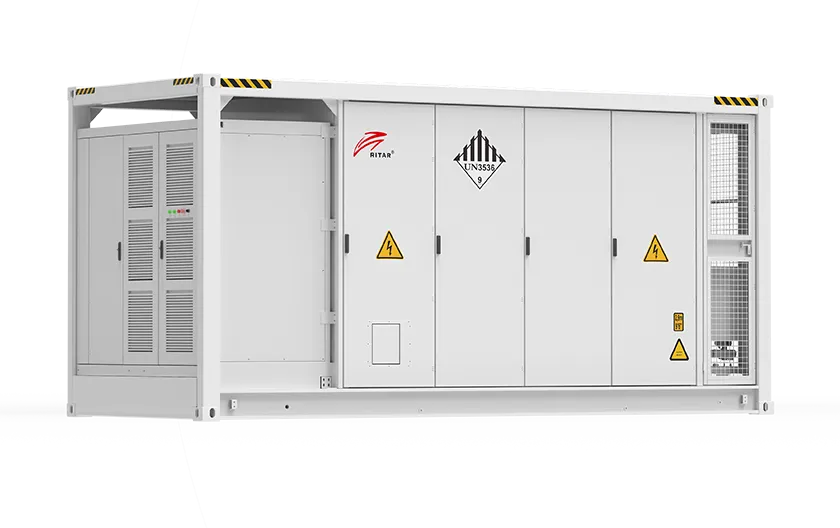
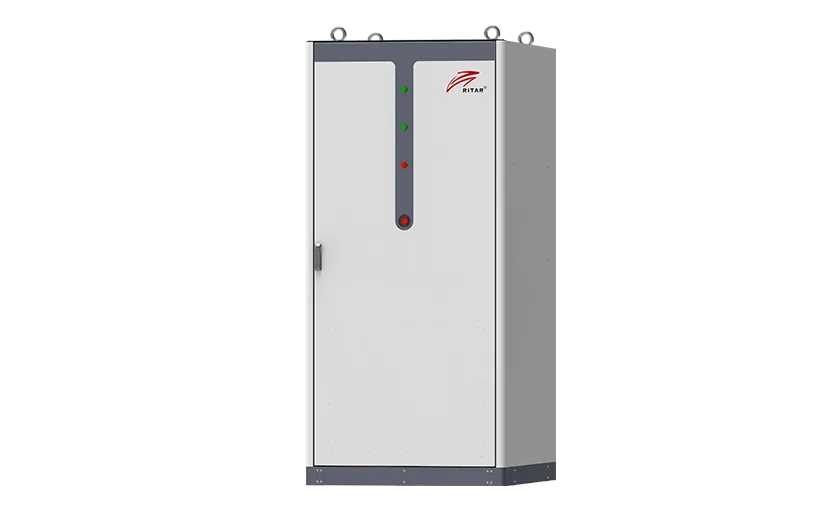
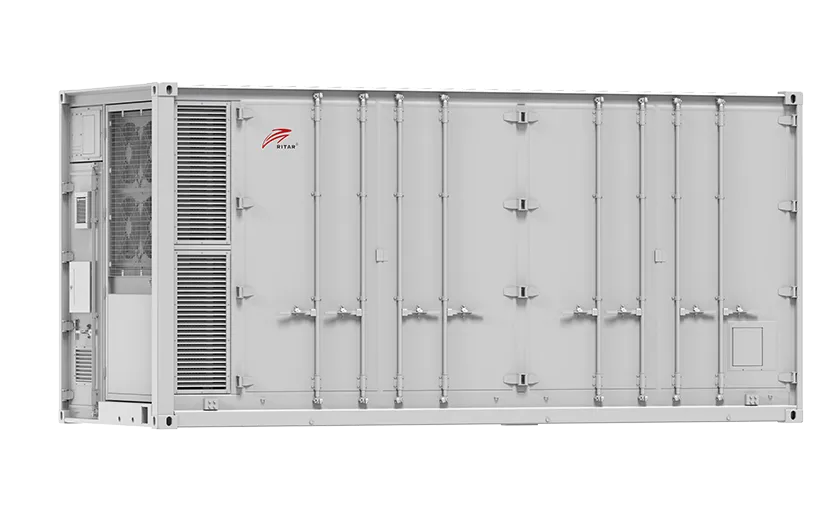
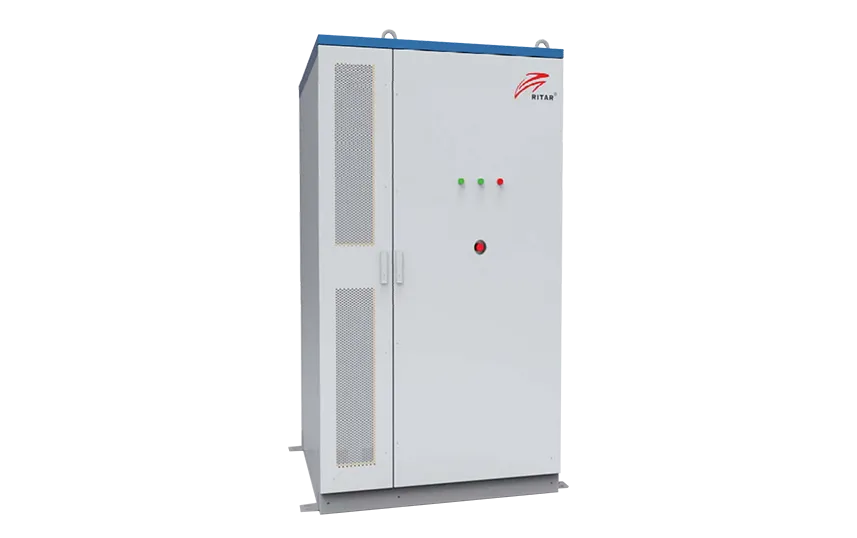
The Ritar Lithium-ion Battery Energy Storage System (BESS) is a high-performance solution designed for C&I and utility-scale applications. Utilizing premium LiFePO4 cells with over 8,000 cycles, it integrates a smart 3-level BMS to ensure cell consistency and zero parallel capacity loss.
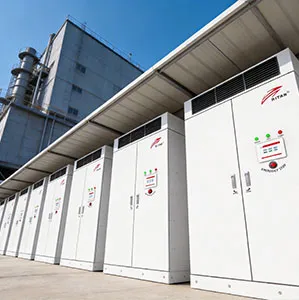
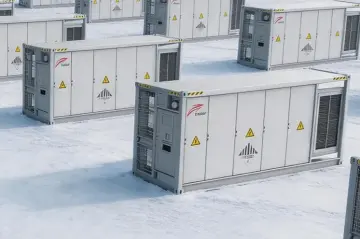
The system features an "All-in-One" prefabricated design for rapid deployment and elastic expansion from kWh to MWh levels. Its innovative liquid-cooling technology maintains cell temperature differences within 3°C, extending lifespan by 20%. Safety is paramount, featuring IP55/IP66 ratings, UL9540A compliance, and pack-level fire suppression. By optimizing energy usage through peak shaving and seamless backup power, Ritar BESS significantly reduces the total lifecycle cost (LCOS) and enhances grid stability.
Ritar utilizes Lithium Iron Phosphate (LiFePO4/LFP) cells specifically dedicated to energy storage. LFP is the industry standard for large-scale projects due to its superior thermal stability, high safety rating (UL9540A tested), and a cycle life that significantly exceeds traditional chemistries.
Ritar Lithium ESS units are engineered for longevity:
• Cycle Life: Over 8,000 cycles at $80\%$ Depth of Discharge (DOD).
• Calendar Life: A design life of 15 to 20 years, depending on the operational environment and thermal management efficiency.
Safety is managed through a "Multi-Layer Protection" strategy:
• Passive Safety: Cabinet partition isolation to prevent hazard propagation.
• Active Safety: Intelligent monitoring with combustible gas detection and linkage ventilation.
• Fire Suppression: Pack-level automated fire extinguishing (using perfluorohexanone or similar agents) and roof-mounted explosion-relief panels.
• Electrical Safety: Multi-point DC/AC circuit protection and high-strength structural integrity for seismic and wind loads.
While Ritar offers both, the Liquid Cooling system provides several high-performance benefits:
• Temperature Consistency: Keeps cell temperature differences within $\le 3^{\circ}C$.
• Lifespan Extension: Increases the battery life cycle by more than $20\%$.
• Footprint: Higher energy density allows for more power in a smaller area.
• Efficiency: Lower auxiliary power consumption compared to traditional HVAC air-cooled units.
Yes. Ritar ESS features a smart communication interface supporting RS485, CAN, and Ethernet. Users can access local and remote monitoring platforms to track real-time data, including State of Charge (SOC), State of Health (SOH), temperature, and alarm history.
Yes. The system uses a standardized modular design. You can start with a single 216kWh or 372kWh cabinet and scale up to multi-Megawatt (MW) levels by connecting containers in parallel. This "elastic expansion" allows for batch-based deployment and augmentation as energy needs increase.
The high-response speed of lithium makes it ideal for:
• Peak Shaving & Valley Filling: Reducing demand charges for C&I users.
• Micro-grids: Stabilizing renewable energy (Solar/Wind) in remote areas.
• Backup Power: Providing uninterrupted power for critical infrastructure.
• Frequency Regulation: Offering rapid-response support to stabilize the utility grid.
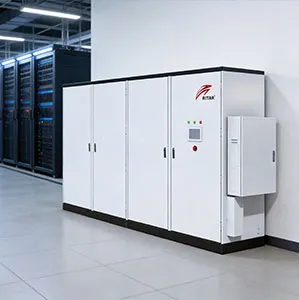
Ritar’s All-in-One containers come factory-prefabricated. The battery racks, Battery Management System (BMS), Power Conversion System (PCS), fire suppression, and cooling are all pre-installed. This "plug-and-play" approach minimizes on-site installation time and reduces civil construction costs.
Ritar uses a Three-Level BMS Architecture:
1. BMU (Module Level): Manages individual cell balancing and data collection.
2. CBMS (Rack Level): Coordinates strings and manages rack-level protection.
3. GBMS (System Level): Communicates with the EMS and Inverter (PCS) to ensure the system operates within its optimal efficiency curve, eliminating inter-rack circulation losses.
Yes. Ritar LFP batteries contain no cobalt or heavy metals like lead or cadmium, making them more environmentally benign. Additionally, the high efficiency of the system maximizes the use of "green" renewable energy, significantly reducing the carbon footprint of the facility.


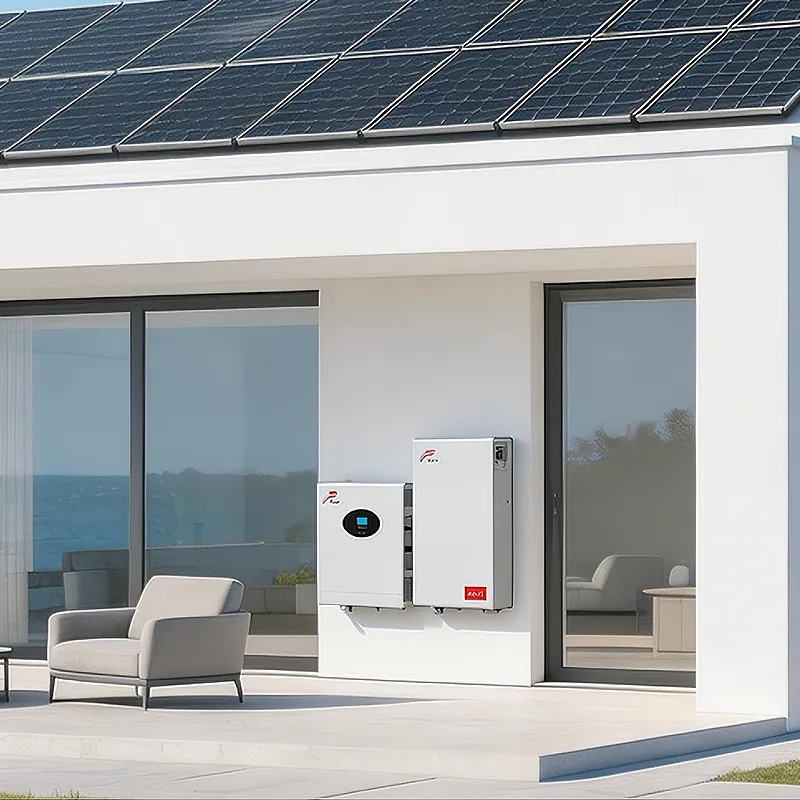
 Residential
 Commercial & Industrial
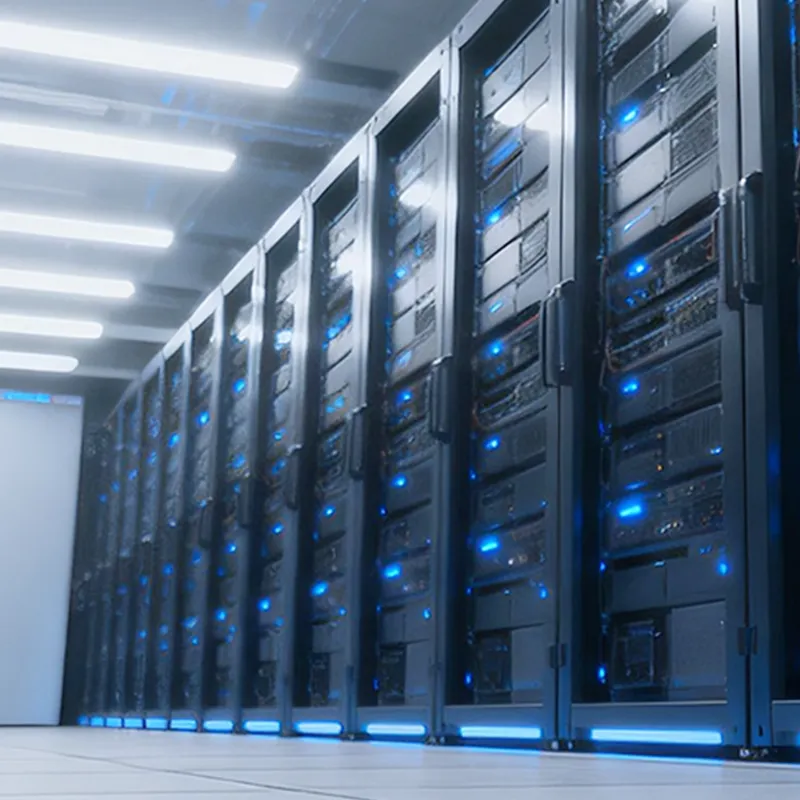
 Data Center
 Railway
 Telecom Base Station
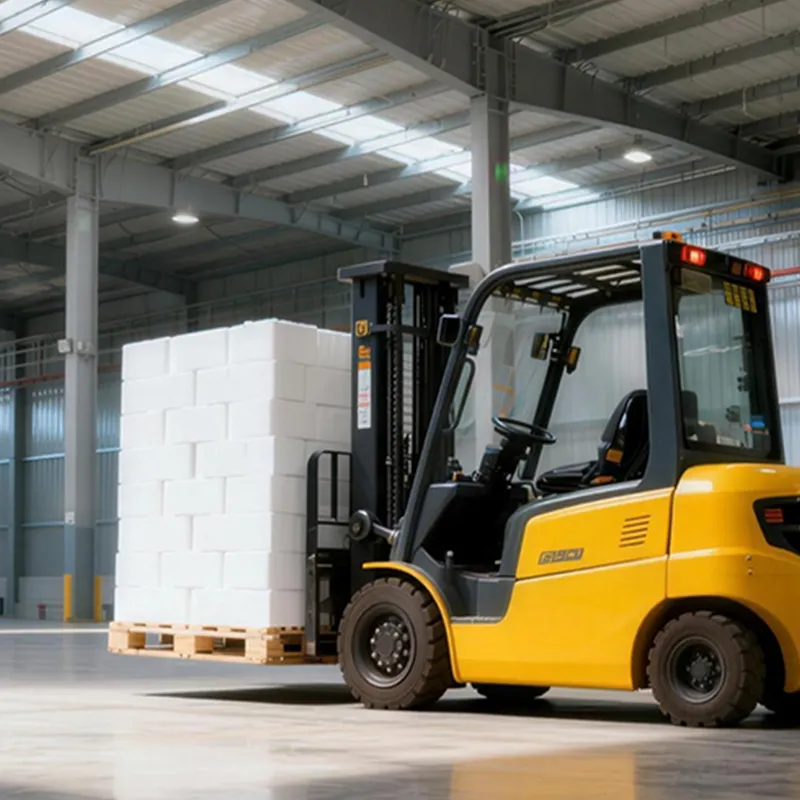
 Motive Power
 Others