EN
EN
 cn
cn 

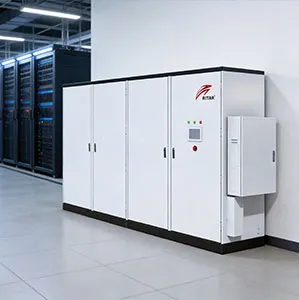
Data centers powering AI and high-performance computing face rapidly growing energy management challenges. Volatile loads from GPU clusters, renewable integration goals, and the need for cost optimization drive demand for advanced data center batteries and scalable energy storage systems. Ritar Power provides both lead-acid and lithium solutions tailored for data center battery energy storage, supporting peak shaving, load leveling, and renewable firming in modern facilities.
This analysis compares the two technologies across key dimensions, including a detailed side-by-side table, to help operators make informed choices.
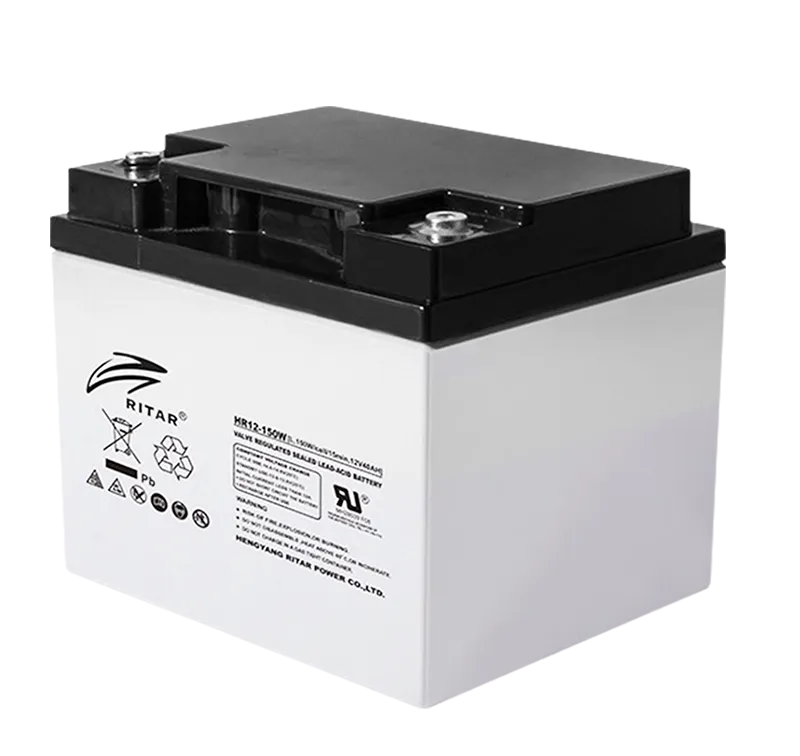
The difference between lead acid and lithium battery technologies is rooted in chemistry. Lead-acid batteries utilize lead plates and sulfuric acid electrolyte, a mature option valued for initial affordability in stationary roles. Lithium batteries, mainly LiFePO₄, employ lithium iron phosphate cathodes for enhanced voltage, efficiency, and intelligence via integrated Battery Management Systems (BMS).
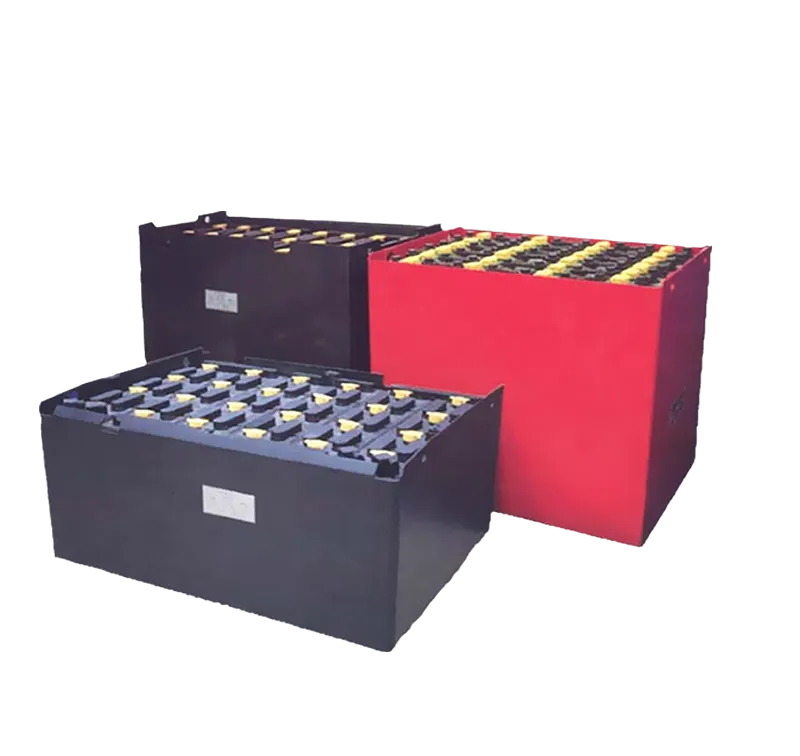
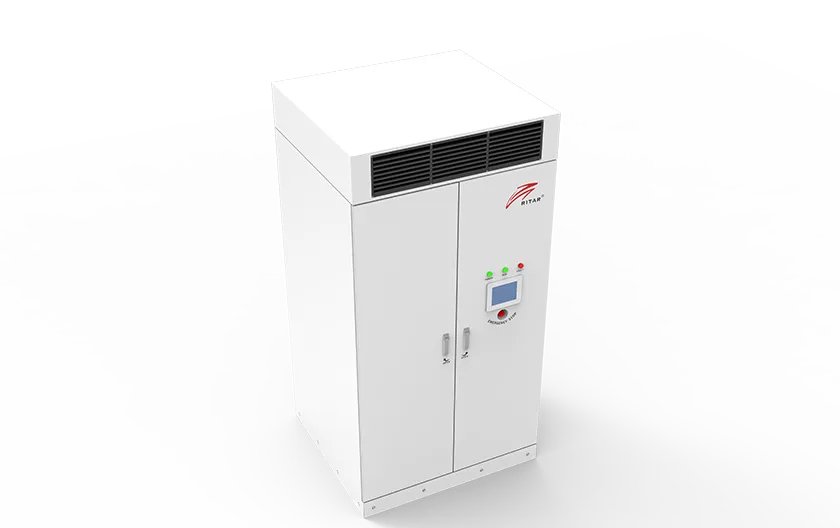
The difference between lithium battery and lead acid battery stands out in energy density and form factor. Lithium achieves 3–5 times higher specific energy, resulting in compact, lightweight designs that reduce the space required for storage arrays and ease facility expansions. Ritar’s lithium offerings include rack-mounted and containerized systems, while lead-acid lines such as solid-state OPzV emphasize durability in stable environments.
In data centers with 10–15+ year lifecycles, battery longevity is paramount. Lead-acid typically supports 500–1,500 cycles with gradual capacity loss under partial cycling, leading to replacements every 3–6 years. Lithium solutions from Ritar deliver 4,000–6,000+ cycles at 80% depth of discharge, enabling 10+ years of strong performance with minimal degradation.
The difference between lead acid battery and lithium-ion battery in cycle life and calendar aging reduces refresh frequency, lowering operational risks and simplifying planning. Projects like the Foshan Kepler Data Center highlight lithium’s sustained output under demanding AI-related loads.
Lithium systems excel with round-trip efficiencies over 95%, fast charging (1–2 hours), and stable voltage at high discharge rates. These traits optimize peak shaving and renewable integration by quickly absorbing and dispatching energy. Wider temperature tolerance further minimizes cooling overhead.
Lead-acid operates effectively in controlled settings but shows greater sensitivity to temperature and cycling patterns, with efficiencies around 80–85%. Ritar’s advanced designs in both categories allow flexible hybrid configurations for phased implementations.
TCO evaluations favor lithium for most long-term scenarios. Higher initial costs are offset by extended service life, efficiency gains that cut electricity expenses, reduced maintenance, and smaller footprints that lower installation and structural outlays. Payback periods often fall within 3–5 years, with potential overall savings of 30–50% over a decade.
Ritar’s conversion solutions help bridge existing infrastructure to lithium, accelerating returns while preserving investments.
Aspect | Lead-Acid (incl. Solid-State OPzV) | Lithium (LiFePO₄) |
Energy Density | Lower (30-50 Wh/kg) | Higher (3-5x, compact designs) |
Cycle Life | 500–1,500 cycles | 4,000–6,000+ cycles |
Service Life | 3–6 years typical | 10+ years |
Round-Trip Efficiency | 80–85% | >95% |
Charging Time | Longer (8–12+ hours) | Fast (1–2 hours) |
Weight & Footprint | Heavier, larger space required | 50-70% lighter, space-saving |
Maintenance | Regular checks and equalization | Minimal to none (with BMS) |
Temperature Tolerance | Narrower optimal range | Wider operating range |
TCO (10-year horizon) | Higher due to replacements | 30–50% lower overall |
Best Suited For | Lower-cycling, baseline roles | Dynamic loads, renewable integration |
This table summarizes typical performance based on Ritar’s product portfolios and industry deployments, helping visualize trade-offs for specific facility needs.
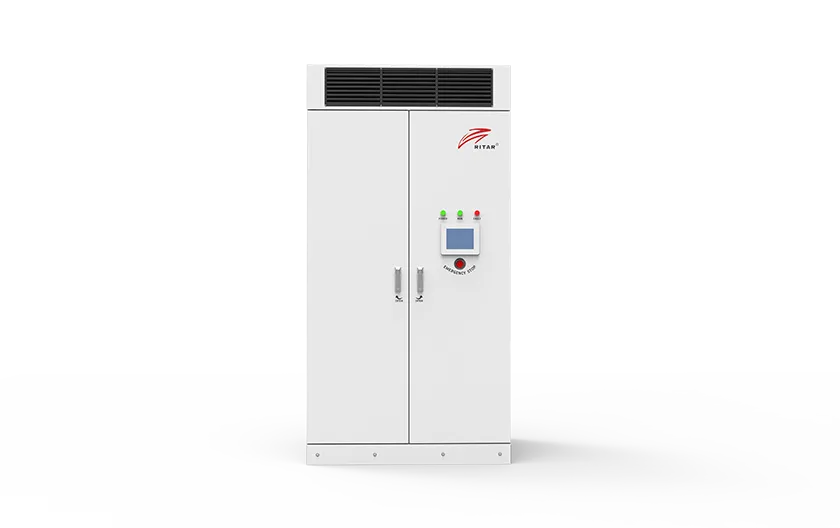
Ritar’s data center battery energy storage supports multiple functions:
Peak shaving to manage demand charges amid AI-driven consumption spikes.
Load leveling for smoothing volatile power profiles.
Renewable firming with on-site solar or wind to increase green energy usage.
Scalable microgrid support for enhanced resilience.
Modular rack and container systems facilitate growth alongside expanding compute capacity. Lead-acid serves well in supplementary lower-throughput roles, while lithium handles high-cycling demands.
Lithium iron phosphate chemistry from lithium batteries provides strong thermal stability, reinforced by multi-level BMS with monitoring, balancing, and fault protection. Ritar’s solid-state lead-acid batteries offer complementary safety characteristics. Both support scalable deployments from pilot to multi-MWh scales.
Smart platforms enable remote oversight, predictive maintenance, and performance optimization across campus environments.
Lithium’s extended lifespan reduces material use and waste over time. Superior efficiency lowers overall energy consumption and carbon intensity, aiding deeper renewable adoption. These attributes help data centers fulfill ESG commitments more effectively.
The difference between lithium ion battery and lead acid battery also benefits end-of-life recycling pathways for lithium.
Successful projects begin with load analysis, space evaluation, and TCO modeling tailored to local conditions. Ritar’s experience with data center projects supports custom design, integration, and ongoing services. Hybrid setups can balance immediate costs with future performance.
As AI scales computational demands, advanced energy storage becomes central to efficient, sustainable operations. Lithium’s advantages in key metrics position it as the primary choice for forward-looking facilities, while lead-acid maintains value in targeted applications.
Data center operators should audit existing assets and model upgrades using tools like the comparison table above. Ritar Power provides flexible pathways to resilient, cost-effective energy infrastructure ready for continued growth.


 Residential
 Commercial & Industrial
 Data Center
 Railway
 Telecom Base Station
 Motive Power
 Others