EN
EN
 cn
cn 

The integration of advanced EV battery technology into motive power systems marks a pivotal shift in how industries manage energy for mobile equipment and vehicles. Ritar Power specializes in motive power battery energy storage solutions that combine high-performance lithium systems with practical applications across logistics, manufacturing, and transportation sectors. These innovations address the growing demand for efficient, reliable power sources that support continuous operations while reducing environmental impact.
Unlike stationary storage or recreational uses, motive power focuses on dynamic, high-cycle environments where batteries endure frequent charging and discharging. This article examines how EV battery manufacturers like Ritar are leading this transformation through specialized EV battery modules and complete storage systems.
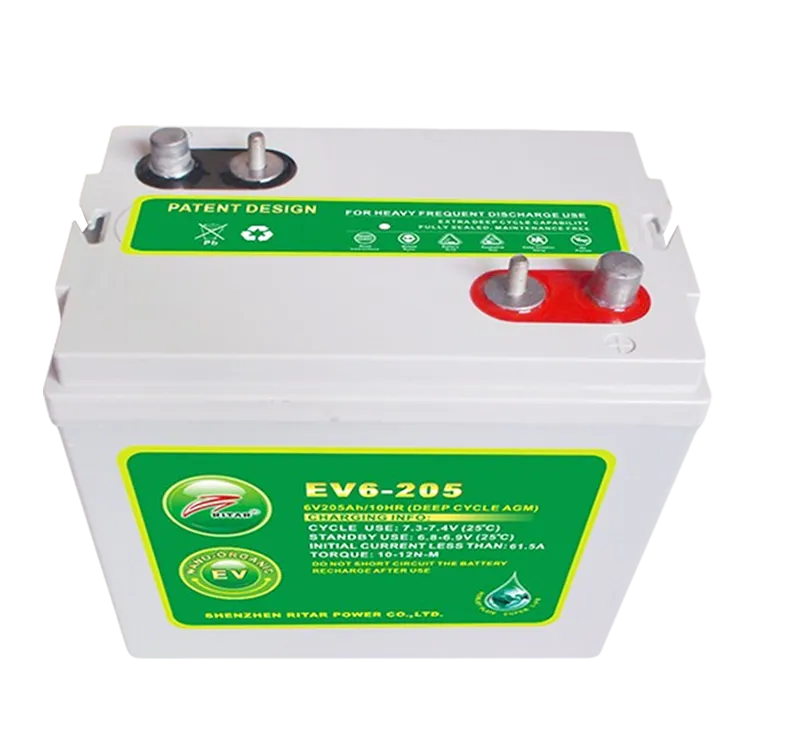
EV battery storage solutions excel in motive power due to their superior energy density and durability. Traditional lead-acid batteries often struggle with rapid degradation under heavy use, whereas lithium-based systems deliver consistent output over thousands of cycles. Ritar's offerings support applications ranging from forklifts to low-speed road vehicles, emphasizing safety and efficiency.
Key benefits include:
Extended Operational Time: Batteries maintain voltage stability, enabling longer shifts without performance drops.
Faster Charging: Many EV battery technology implementations support opportunity charging during breaks, minimizing downtime.
Reduced Maintenance: Sealed designs eliminate watering and corrosion issues common in older chemistries.
Lower Total Cost of Ownership: Although initial costs may be higher, longevity and efficiency yield significant savings.
EV battery suppliers prioritize these features to meet the rigorous demands of industrial settings, where reliability directly impacts productivity.
Motive power energy storage powers a wide array of equipment. In warehousing and logistics, EV battery backup ensures uninterrupted operation of electric forklifts and automated guided vehicles (AGVs). These systems provide the torque needed for lifting heavy loads while offering regenerative braking to recapture energy.
Mining and construction benefit from robust EV battery modules in specialized carts and machinery. Ritar's solutions for mine carts and coal machines feature enhanced protection against dust, vibration, and temperature extremes, ensuring safe performance in harsh conditions.
Low-speed vehicles, including those used in airports, campuses, and urban deliveries, leverage EV battery storage for quiet, emission-free mobility. Aerial work platforms and sweeping vehicles also rely on these technologies for elevated or specialized tasks, where compact size and lightweight design improve maneuverability.
Ritar extends its expertise to motorhomes, yachts, and transportation sectors within motive power frameworks, demonstrating versatility across EV battery home storage adaptations for mobile living and specialized transport.
To illustrate the advancements, consider the following comparison:
Feature | Traditional Lead-Acid | Advanced Lithium (EV Battery Tech) | Benefit for Motive Power |
Cycle Life | 500-1,000 cycles | 2,000-6,000+ cycles | Reduced replacements, lower downtime |
Weight | Heavy (impacts efficiency) | 50-70% lighter | Better vehicle performance & energy use |
Charging Time | 8-12 hours | 1-3 hours (fast charge capable) | Opportunity charging during shifts |
Depth of Discharge | Limited (50% recommended) | Up to 80-90% usable | Increased runtime per charge |
Maintenance | Regular watering & cleaning | Maintenance-free | Lower labor costs |
Operating Temperature | Narrower range | Wider tolerance with BMS | Reliable in extreme industrial settings |
Energy Efficiency | 70-85% | 95%+ | Cost savings on electricity |
This table highlights why EV battery manufacturers are increasingly favored for motive power conversions and new installations. Ritar's lithium solutions incorporate intelligent Battery Management Systems (BMS) for real-time monitoring and protection.
Recent EV battery breakthrough developments focus on chemistry improvements, such as enhanced LiFePO4 formulations, which offer thermal stability and longevity ideal for continuous duty cycles. These advances support higher discharge rates without compromising safety, crucial for equipment like forklifts operating multiple shifts.
EV battery companies invest in modular designs that allow easy scaling. EV battery modules can be configured into custom packs tailored to specific voltage and capacity needs, facilitating retrofits or expansions in existing fleets.
Integration with renewable sources further elevates these systems. EV battery for solar storage capabilities enable charging from on-site solar arrays, creating self-sustaining operations in remote or eco-conscious facilities. This hybrid approach aligns with corporate sustainability goals while reducing operational expenses.
Choosing a reliable EV battery supplier involves evaluating several criteria. Technical expertise in motive power is essential, as is the ability to provide comprehensive support including installation guidance and after-sales service. Ritar stands out with its dedicated focus on motive power battery energy storage, backed by extensive project experience across global markets.
Prospective buyers should consider:
Compatibility with existing chargers and vehicle controllers.
Certifications for safety and performance standards.
Warranty periods, often extending 5-10 years for premium lithium products.
Customization options for specific industry requirements.
EV battery manufacturers that offer both lithium and legacy-compatible solutions provide flexible pathways for gradual fleet transitions.
Successful deployment of EV battery storage in motive power begins with a thorough energy audit. Assess daily usage patterns, peak power demands, and environmental factors to determine optimal battery specifications.
Installation teams should prioritize secure mounting to handle vibrations and ensure proper thermal management. Modern systems often include remote monitoring via apps or cloud platforms, allowing fleet managers to track state-of-charge, health metrics, and predictive maintenance alerts.
Training operators on efficient usage—such as avoiding full discharges and utilizing regenerative features—maximizes the advantages of EV battery technology. Regular software updates to the BMS can further optimize performance as new features become available.
For facilities incorporating EV battery home storage into on-site worker amenities or support infrastructure, these batteries provide reliable backup during outages, enhancing overall site resilience.
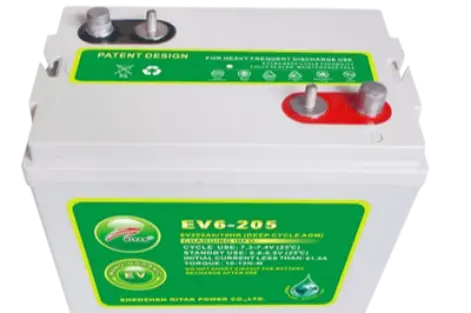
The motive power segment within the broader EV battery storage market is expanding rapidly. Growing electrification of industrial equipment drives demand for advanced solutions. EV battery companies are responding with innovations in solid-state technologies and improved recycling processes, addressing sustainability concerns.
Ritar's contributions include lithium conversions and purpose-built systems for diverse applications, supporting the transition from fossil-fuel-dependent operations. As EV battery breakthrough continues, expect smarter integration with fleet management software and vehicle-to-grid capabilities, even in industrial settings.
Challenges remain, including upfront investment and the need for charging infrastructure. However, government incentives for green technologies and falling battery prices are accelerating adoption.
Global projects demonstrate the efficacy of these systems. Industrial parks and logistics hubs report up to 30-50% reductions in energy costs and significant decreases in maintenance hours after switching to lithium motive power solutions. In challenging environments like mining, enhanced safety profiles reduce risks associated with battery handling.
Ritar's portfolio showcases successful implementations in transportation and specialized vehicles, underscoring the adaptability of their EV battery modules.
EV battery technology is fundamentally transforming motive power energy storage, delivering unmatched reliability, efficiency, and sustainability for industrial applications. From EV battery backup in critical operations to seamless EV battery solar storage integration, the benefits are compelling for forward-thinking organizations.
Leading EV battery manufacturers like Ritar provide the tools needed to navigate this evolution. By embracing modular EV battery modules, businesses can enhance productivity while contributing to a cleaner future.
As the industry advances, staying informed about emerging EV battery breakthrough will be key to maintaining competitive advantage. Investing in quality motive power solutions today ensures operational excellence and environmental responsibility tomorrow. Whether upgrading existing fleets or designing new systems, the power of modern EV battery technology is ready to drive success across diverse sectors.


 AIDC
AIDC
 Residential
 Commercial & Industrial
 Data Center
 Railway
 Telecom Base Station
 Motive Power
 Others