EN
EN
 cn
cn 

Uninterruptible Power Supply (UPS) systems are the silent guardians of critical infrastructure, from data centers and telecom facilities to industrial plants and commercial buildings. When the grid fails, these batteries must deliver instant, reliable power. For decades, lead-acid batteries dominated this space due to their maturity and lower upfront cost. However, as demands for higher uptime, energy efficiency, and lower operational expenses grow—especially with AI-driven loads and renewable integration—lithium-ion (particularly LiFePO4) batteries are emerging as the superior choice. Ritar Power, a leading manufacturer, offers both lead-acid batteries and advanced lithium batteries tailored for UPS applications, enabling direct comparisons in real-world deployments.
This article provides a detailed 10-year Total Cost of Ownership (TCO) analysis for UPS batteries, examining technical differences, operational realities, and economic outcomes based on Ritar’s product lines and industry benchmarks.
Understanding how each technology works reveals why performance diverges sharply in UPS scenarios.
A traditional lead-acid battery uses lead plates (anode and cathode) submerged in sulfuric acid electrolyte. During discharge, a chemical reaction converts lead and lead dioxide into lead sulfate, releasing electrons to generate current. Recharging reverses this process. Valve-Regulated Lead-Acid (VRLA) variants, common in UPS, are sealed to minimize maintenance but still suffer from gassing and sulfation over time. Typical energy density is 30-50 Wh/kg, with usable capacity often limited to 50% Depth of Discharge (DoD) to preserve lifespan.
How Lithium-Ion Batteries Work: Lithium-ion batteries, such as Ritar’s LiFePO4 models, rely on the movement of lithium ions between a graphite anode and a lithium iron phosphate cathode through an organic electrolyte. During discharge, ions flow from anode to cathode; charging reverses the flow. This intercalation process is highly efficient, with minimal degradation. LiFePO4 offers excellent thermal stability, energy density of 90-160+ Wh/kg (often 3-5x lead-acid in practice), and supports 80-100% DoD.
Key differences include:
Weight and Footprint: Lithium batteries are 50-70% lighter and require 50-80% less space for equivalent energy storage. This reduces structural costs and frees valuable floor space in UPS rooms.
Cycle Life and Lifespan: Lead-acid typically delivers 300-1,500 cycles (3-5 years in float/standby UPS use). Lithium systems achieve 3,000-6,000+ cycles, supporting 8-15+ years of service.
Efficiency and Charging: Lead-acid round-trip efficiency is ~80-85%, with slow recharge (8-12+ hours) and sensitivity to temperature. Lithium reaches 95%+, charges in 1-4 hours, and performs better across wider temperature ranges.
Maintenance: Lead-acid requires periodic watering (flooded types), equalization charges, ventilation for gases, and cleaning. Lithium batteries with integrated Battery Management Systems (BMS) are virtually maintenance-free, with remote monitoring.
Safety: Modern LiFePO4 chemistry is far more stable than older lithium variants, with built-in protections against overcharge, deep discharge, and thermal issues. Lead-acid risks acid leaks and hydrogen gas buildup.
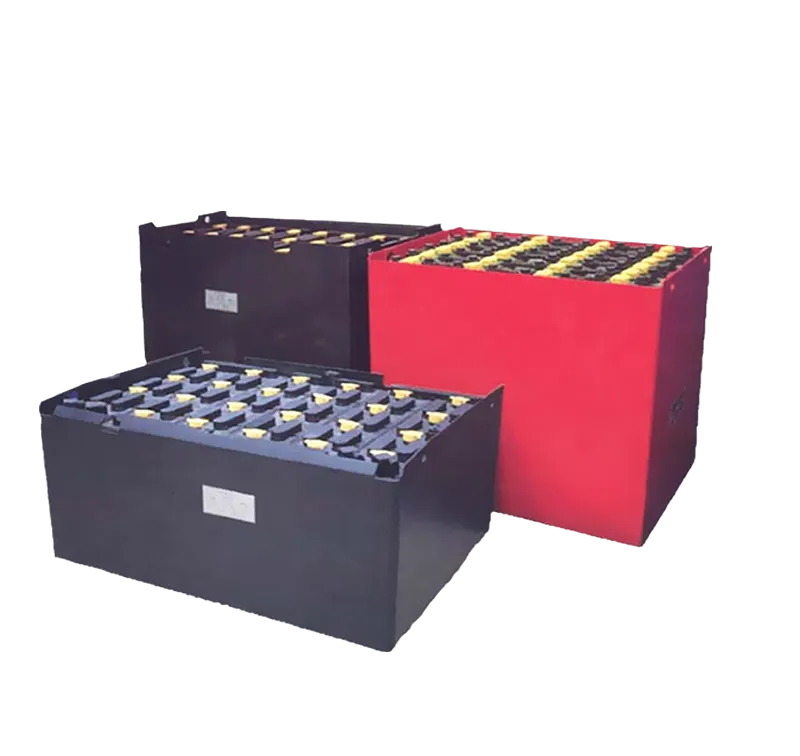
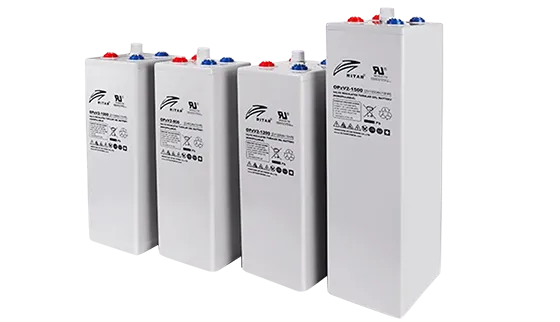
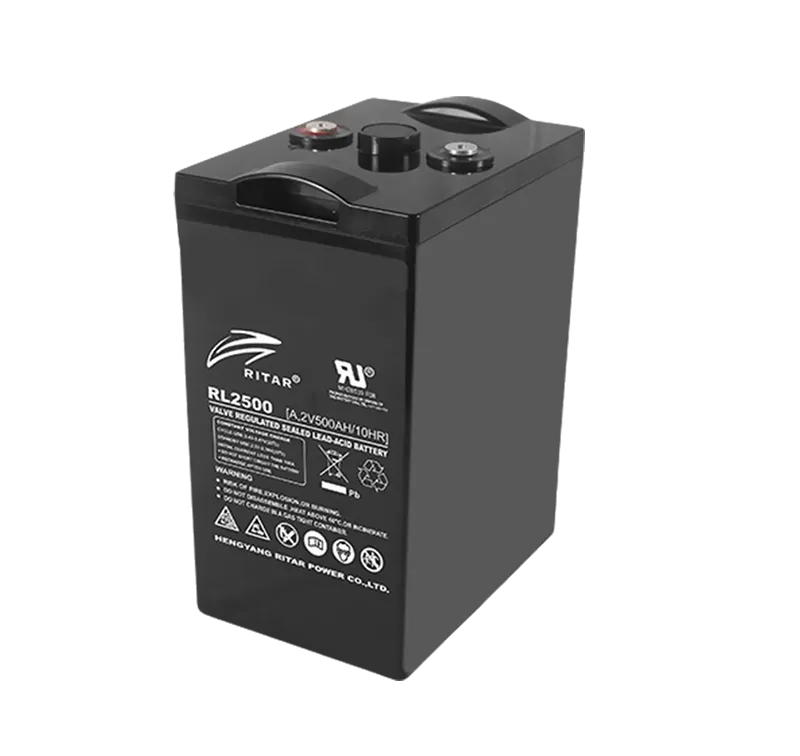
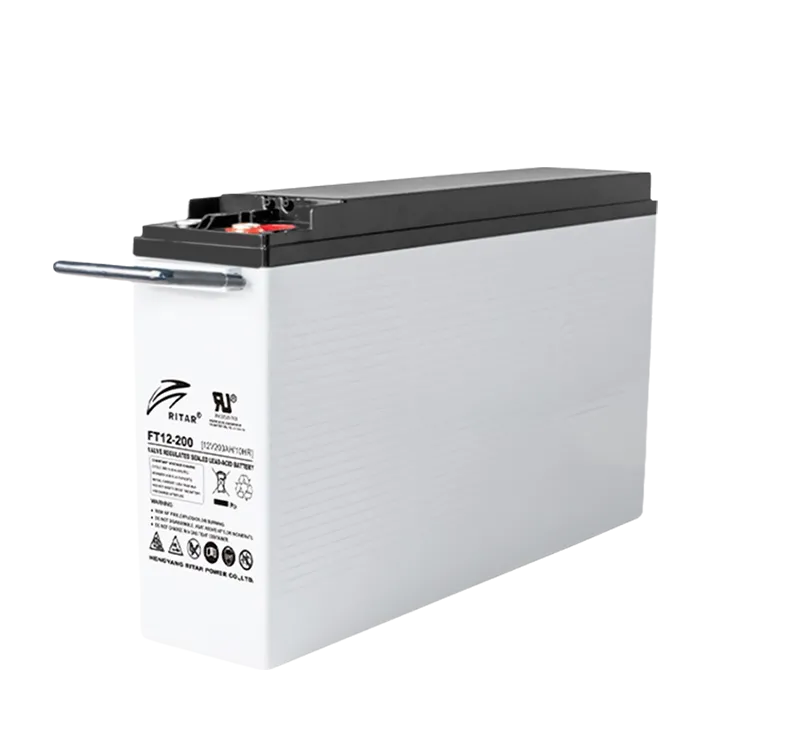
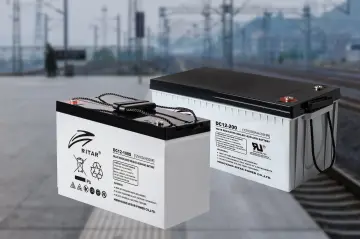
Ritar’s lead-acid battery lineup includes robust VRLA and OPzV options for cost-sensitive applications, while their lithium battery series emphasizes high-power, modular designs for demanding UPS roles.
.webp "ra-series-lead-acid-batteries(1).webp")
TCO encompasses capital expenditure (CapEx), operational expenditure (OpEx), replacements, energy losses, maintenance, downtime, installation, and end-of-life costs. Industry analyses consistently show lithium delivering substantial savings over a decade.
Scenario Assumptions (for a representative mid-sized UPS system, e.g., 100-500 kWh backup):
Daily/weekly shallow cycling plus occasional outages.
Electricity rates: moderate industrial/commercial.
Ambient conditions: typical data center or industrial setting (with cooling).
Lead-acid: Lower initial cost (baseline 1x).
Lithium: 1.5-2.5x higher due to advanced chemistry and BMS. Ritar offers competitive pricing and lead-to-lithium conversion kits to ease transitions.
Lead-acid: Typically 2-3 full replacements over 10 years (lifespan 3-5 years).
Lithium: Usually zero or one partial replacement. This alone drives major savings in labor, disposal, and downtime.
Lithium’s higher efficiency reduces charging energy losses by 10-20% or more. Faster recharge minimizes generator runtime during extended outages.
Reduced cooling needs: Lithium generates less heat and tolerates higher ambient temperatures, cutting HVAC expenses significantly.
Lead-acid: Regular inspections, watering, testing—adding 5-20% annual labor costs.
Lithium: Near-zero routine maintenance; BMS provides predictive analytics. Savings: up to 80% reduction.
Installation and Space: Lithium’s compact size lowers racking, wiring, and facility modification costs.
Reliability/Uptime: Fewer failures and faster response reduce risk of costly data loss or process interruptions.
End-of-Life/Recycling: Both are recyclable, but lithium’s longer life delays disposal costs. Residual capacity is higher.
Net 10-Year TCO Savings: Benchmarks indicate 20-41% lower TCO for lithium systems, with payback often in 3-5 years. One analysis showed ~39% reduction over the typical UPS lifespan. For high-utilization sites, savings can exceed 50% when factoring indirect costs. Ritar’s lithium UPS batteries are engineered for these economics, with proven deployments in data centers and telecom.
Lead-acid retains advantages in specific cases:
Very low upfront budget constraints.
Extremely low-cycle, pure standby applications with stable temperatures.
Existing infrastructure fully optimized for lead-acid (though Ritar supports conversions).
For most modern UPS needs—especially with variable loads or space constraints—lithium outperforms.
Ritar Power’s dual portfolio allows tailored choices. Their lead-acid batteries provide reliable, economical backup for standard duties, while lithium options excel in high-density, long-life UPS setups. Features like modular racks, advanced BMS, and compatibility with existing inverters facilitate seamless upgrades. Cases in data centers and industrial sites highlight reduced TCO and enhanced performance.
Operators should evaluate:
Duty cycle and discharge patterns.
Space, weight, and environmental constraints.
Local energy prices and incentive programs for efficient storage.
Total system integration (inverters, monitoring).
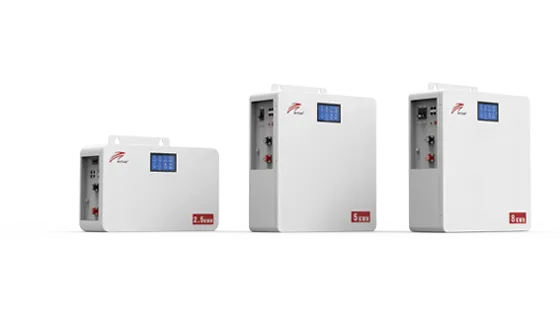
Over 10 years, lithium-ion batteries for UPS deliver clear superiority in reliability, efficiency, and economics despite higher initial costs. The TCO advantage stems from longevity, minimal maintenance, compact design, and operational savings—critical as power demands escalate.
Ritar Power equips customers with both technologies, supporting informed decisions and smooth transitions. As UPS requirements evolve toward higher power density and sustainability, lithium represents the forward-looking investment. Facilities evaluating upgrades should model their specific TCO using site data—many will find lithium pays for itself quickly while providing superior protection.
The battery choice today shapes operational resilience and costs for the next decade. Lithium vs. lead-acid is no longer just a technical debate—it’s a strategic imperative for competitive, reliable power infrastructure.


 AIDC
AIDC
 Residential
 Commercial & Industrial
 Data Center
 Railway
 Telecom Base Station
 Motive Power
 Others