EN
EN
 cn
cn 

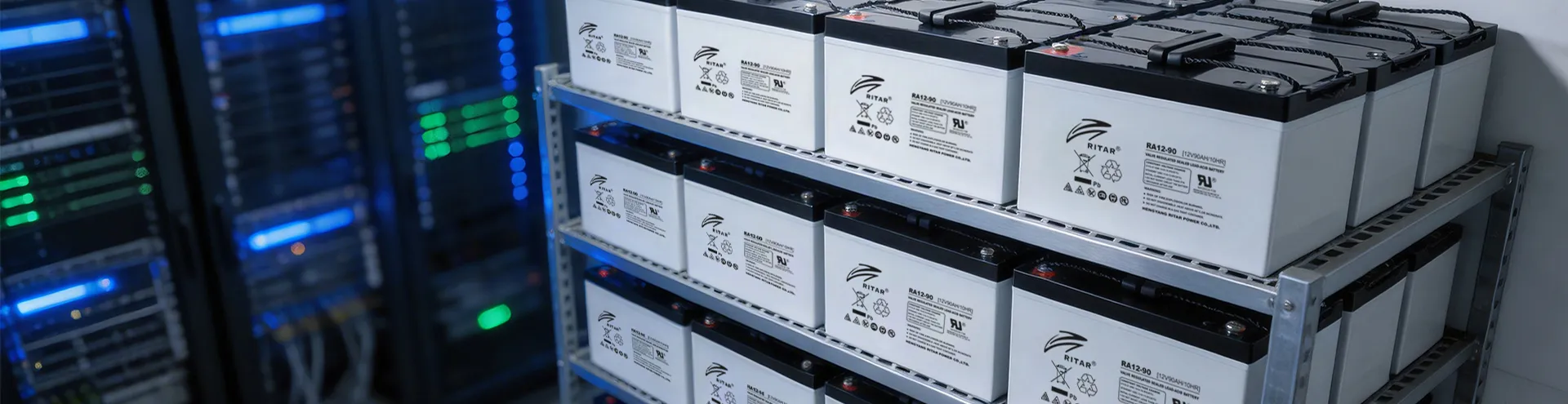
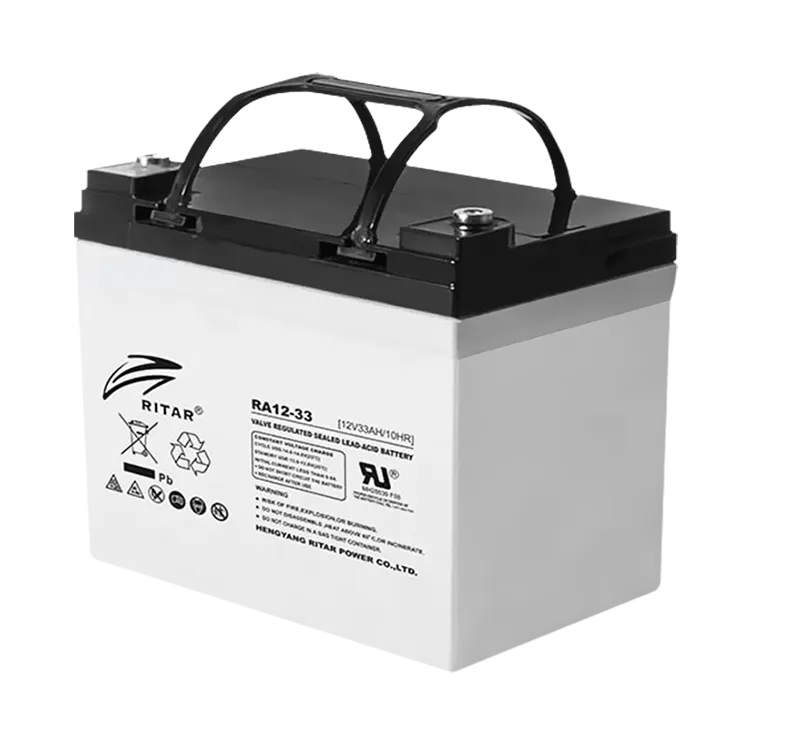
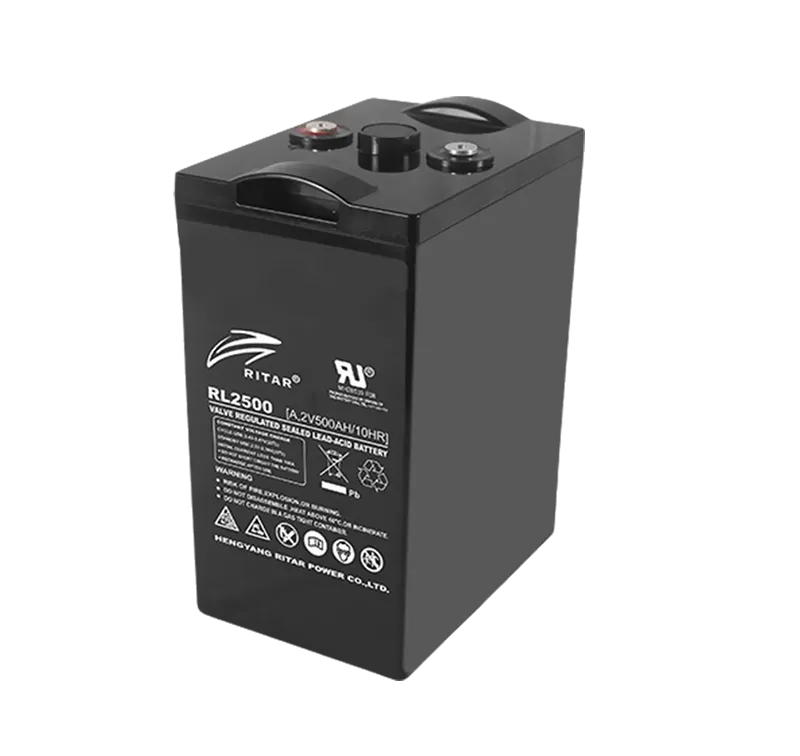
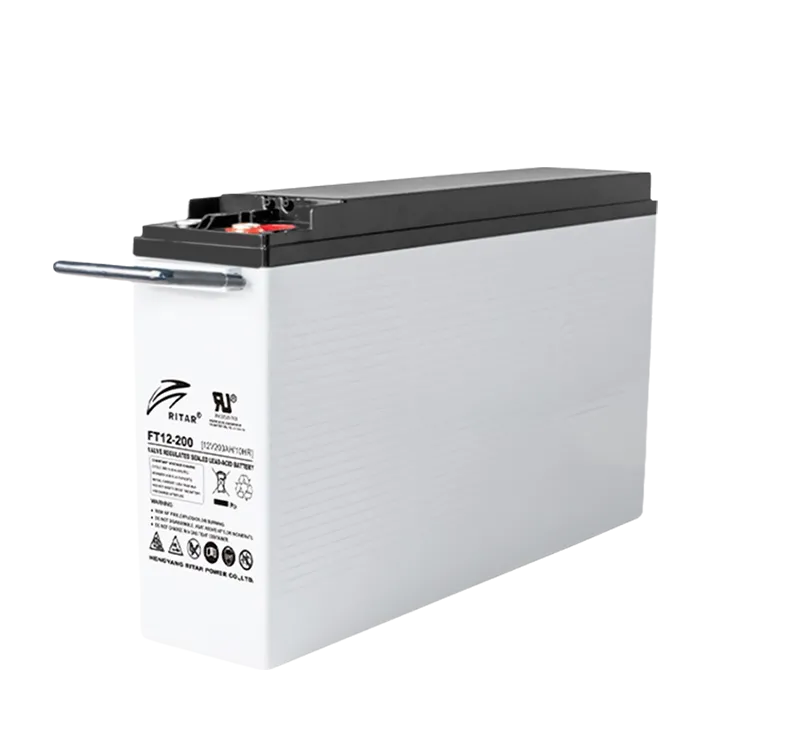
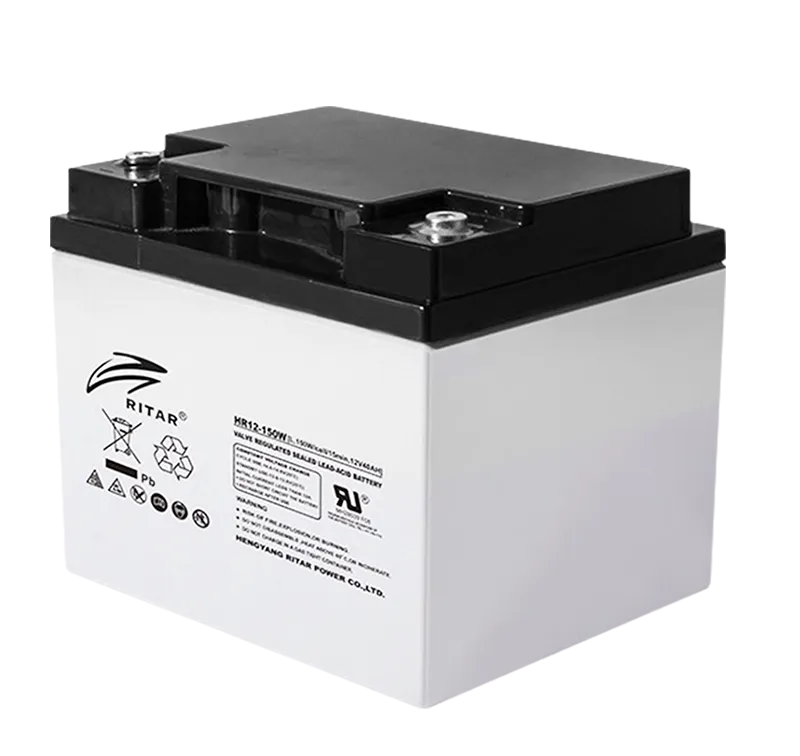
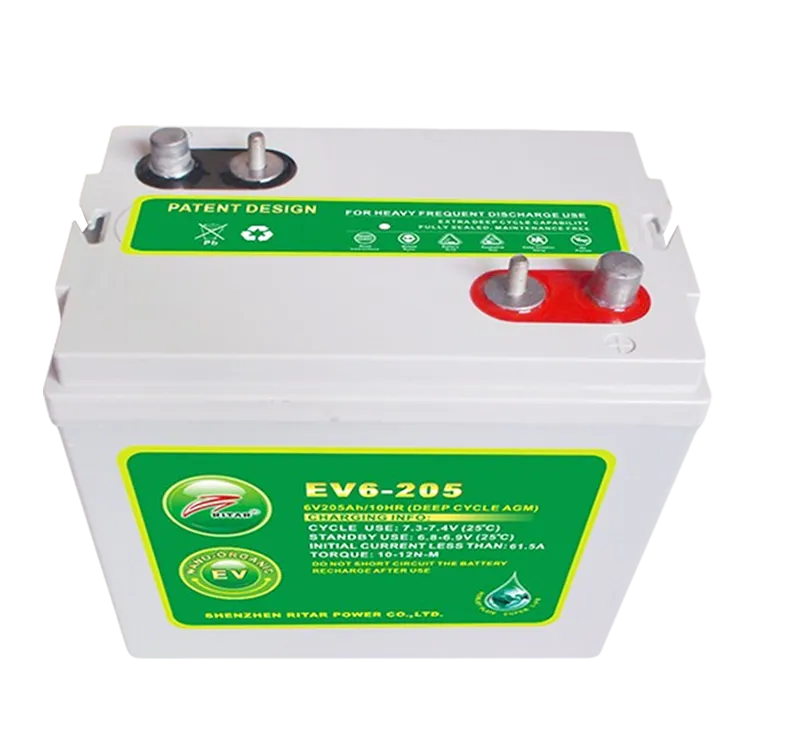
Ritar’s AGM Battery series represents the pinnacle of high-rate discharge performance within the Valve-Regulated Lead-Acid (VRLA) category. By utilizing advanced Absorbent Glass Mat (AGM) technology, the electrolyte is fully absorbed in high-porosity glass fiber separators, enabling a completely sealed and maintenance-free operation. These batteries feature low internal resistance and superior charge acceptance, making them the ideal power source for UPS systems, emergency lighting, and high-load power tools. With high-purity lead plates and reinforced grids, the AGM series ensures reliable high-current output and exceptional safety (leak-proof) across a broad range of industrial and commercial applications.
The cost is higher due to the premium materials (high-purity lead and fiberglass mats) and the more complex manufacturing process required to ensure the cells are compressed and sealed perfectly. Most users find the extra cost is offset by the longer lifespan and lack of maintenance.
An AGM battery is a type of Valve Regulated Lead Acid (VRLA) battery. It uses a special Absorbent Glass Mat—a thin fiberglass mat saturated with electrolyte—sandwiched between the lead plates. This design keeps the electrolyte in a "dry" or suspended state rather than liquid form, making the battery spill-proof and highly vibration-resistant.
The primary differences lie in the internal structure and maintenance requirements:
Maintenance: AGM batteries are maintenance-free and sealed; flooded batteries often require water topping.
Vibration Resistance: The compressed mat design of AGM makes them much more durable in high-vibration environments.
Mounting: AGM batteries can be installed on their side or at various angles (except upside down) because they won't leak. Flooded batteries must remain upright.
No, it is not recommended. AGM batteries are sensitive to overcharging. Standard chargers designed for flooded batteries often use higher voltages that can "cook" the electrolyte in an AGM battery, leading to premature failure. You should use a "smart" charger with a dedicated AGM setting that regulates the voltage precisely (typically around 14.4V to 14.6V for charging and 13.5V to 13.8V for floating).
Faster Charging: AGM batteries have low internal resistance, allowing them to accept a charge up to five times faster than flooded batteries.
High Cranking Amps: They are excellent for "Start-Stop" vehicle technology because they can deliver high bursts of power.
Low Self-Discharge: They lose their charge very slowly when sitting idle, making them ideal for seasonal vehicles (like motorcycles or boats).
Deep Cycle Capability: They generally handle deeper discharges better than standard starting batteries.
No, though they are both sealed VRLA batteries.
AGM uses a fiberglass mat to hold liquid acid.
Gel uses a silica additive to turn the electrolyte into a thick, jelly-like paste.
AGM batteries are generally better for high-current applications (starting engines), while Gel batteries are often preferred for very deep, slow-discharge solar applications.
Under ideal conditions, a high-quality AGM battery can last 6 to 10 years. However, lifespan is heavily dependent on:
Depth of Discharge (DOD): Consistently discharging the battery below 50% will shorten its life.
Temperature: Excessive heat is the "number one killer" of AGM batteries, as it accelerates chemical degradation.
While they are "sealed," they still have safety valves (VRLA) designed to release pressure if the battery is severely overcharged and gas builds up. Because of this, they should still be kept in a space with some ventilation and should never be placed in a completely airtight container.


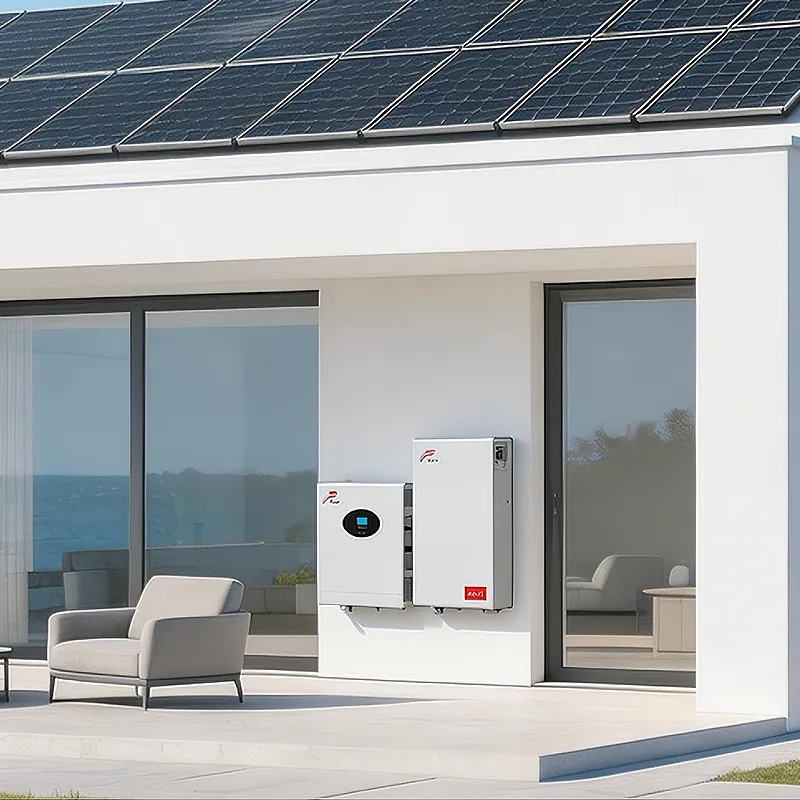
 Residential
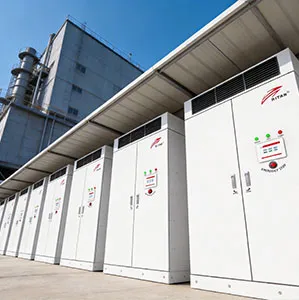
 Commercial & Industrial
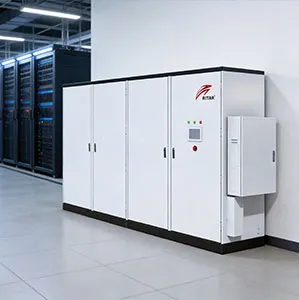
 Data Center
 Railway
 Telecom Base Station
 Motive Power
 Others