EN
EN
 cn
cn 

Data centers are the backbone of the digital economy, powering everything from cloud computing to AI training. With power demands skyrocketing, traditional separate UPS and backup systems struggle to meet requirements for reliability, efficiency, and grid integration. Ritar Power’s smart energy storage systems offer a transformative solution through UPS + BESS hybrid architecture—combining Uninterruptible Power Supply (UPS) lithium batteries with larger Battery Energy Storage Systems (BESS) for seamless, intelligent power management.
This integrated approach leverages smart lithium batteries technology to deliver millisecond-level response, extended runtime, peak shaving, and renewable integration, all managed by advanced software for smart grid battery storage optimization.
Modern hyperscale data centers face unprecedented challenges. AI workloads create volatile power profiles, while grid constraints, renewable intermittency, and sustainability mandates add complexity. Traditional setups rely on short-duration UPS for immediate bridging to generators, plus separate, often inefficient, backup systems. This leads to redundancy gaps, higher costs, and limited flexibility.
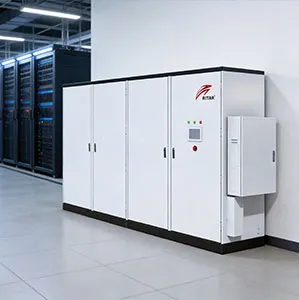
A UPS + BESS hybrid unifies these functions. UPS modules (often rack-mounted lithium) provide ultra-fast, high-power discharge for critical IT loads during outages. BESS cabinets or containers handle longer-duration support, energy arbitrage, and grid services. Together, they create a resilient, smart energy battery ecosystem that responds dynamically to real-time conditions.
Ritar’s offerings include dedicated UPS lithium batteries, lithium-ion battery energy storage systems , and OPzV energy storage systems—ideal building blocks for such hybrids. Projects like the Foshan Kepler Data Center demonstrate successful deployment of these solutions in high-stakes environments.
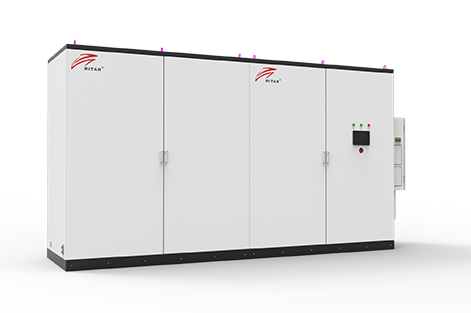
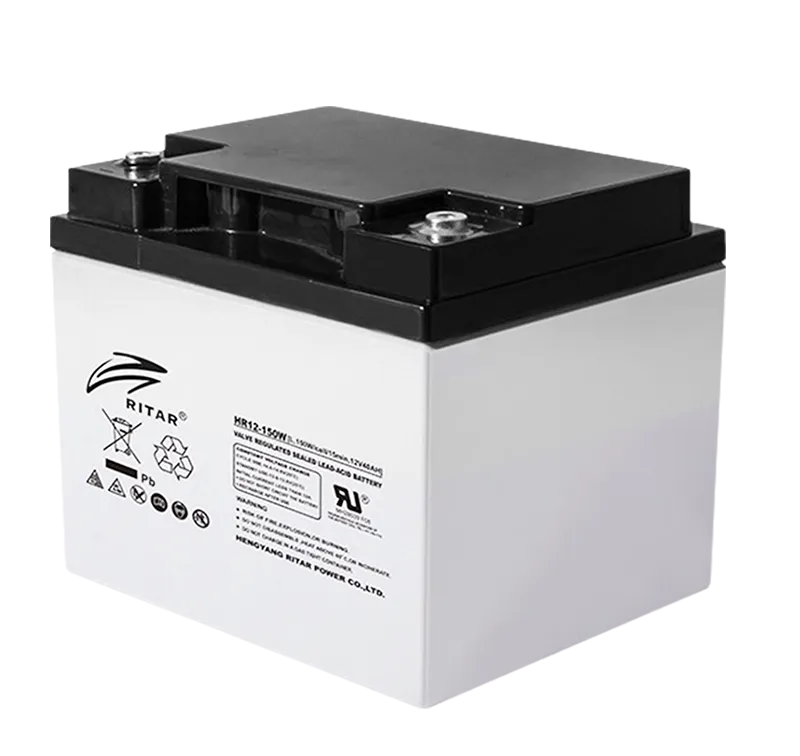
Ritar’s UPS lithium batteries use LiFePO4 chemistry for high safety and performance. These rack-mounted or modular units deliver:
Millisecond switchover times.
High discharge rates suitable for dense GPU racks.
Integrated BMS for real-time monitoring, cell balancing, and predictive maintenance.
In a hybrid setup, these act as the first line of defense, bridging the gap (typically 5-30 minutes) while BESS ramps up or generators start. Their compact design fits seamlessly into existing server rooms, supporting smart home battery principles scaled to enterprise levels—though optimized for data centers rather than residential smart home battery backup.
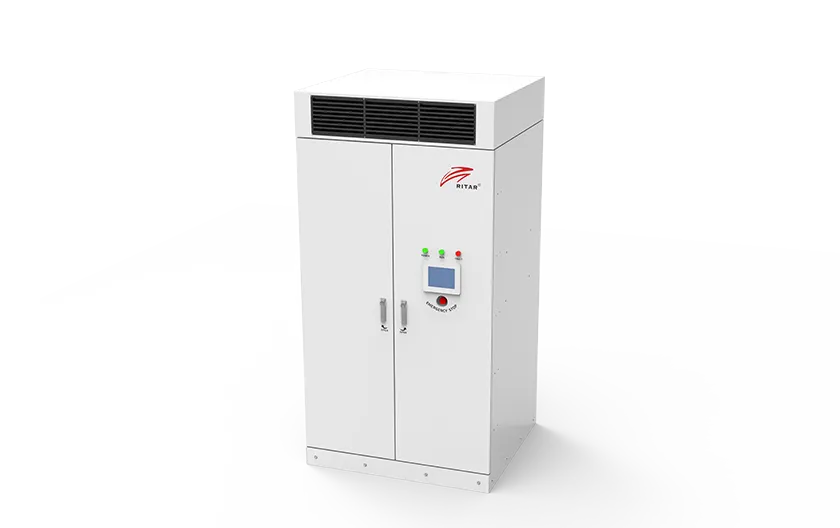
Ritar’s energy storage system cabinets and containers (lithium-ion and solid-state OPzV) provide MWh-scale capacity. Features include:
Modular scalability from hundreds of kWh to multi-MWh.
Advanced thermal management and fire suppression for indoor data center use.
Support for smart grid energy storage functions like frequency regulation and peak shaving.
The “smart” in smart battery storage comes from unified control systems. Software platforms orchestrate power flow between UPS, BESS, renewables, grid, and loads. Key capabilities:
AI-driven optimization for energy cost minimization.
Seamless mode switching (islanded, grid-tied, hybrid).
Remote monitoring and analytics via cloud platforms.
Compatibility with smart grids and renewable energy sources, enabling virtual power plant (VPP) participation.
This architecture transforms static backup into a dynamic asset, aligning with smart grid renewable energy trends.
Reliability and Resilience: Hybrid systems offer layered redundancy. UPS handles sub-second events; BESS extends runtime to hours, reducing generator dependency and emissions. Ritar’s deployments in data centers (e.g., Congo, Norway Metro, Haikou Jinlu) showcase proven uptime in diverse conditions.
Efficiency and Cost Savings: Lithium-based hybrids achieve 95%+ round-trip efficiency versus lower figures for legacy systems. Peak shaving and arbitrage lower electricity bills, while reduced footprint cuts facility costs. Over 10 years, TCO benefits compound through longer cycle life and minimal maintenance.
Sustainability: Integration with renewables supports green data center goals. Smart grid battery storage enables better utilization of solar/wind, cutting carbon footprints. Ritar’s solid-state OPzV options add inherent safety for urban/indoor installations.
Scalability and Flexibility: Modular designs allow phased deployment. Start with UPS upgrades and expand BESS as AI loads grow. This future-proofs infrastructure against evolving demands.
Safety: LiFePO4 and solid-state chemistries, combined with multi-level BMS and suppression systems, meet stringent data center standards—addressing fire risks in high-density environments.
Designing a hybrid system requires careful planning:
Load Profiling: Analyze IT power density, redundancy needs (N+1, 2N), and outage patterns.
Space and Integration: Ritar’s rack-mounted and containerized solutions minimize disruptions to existing UPS rooms.
Controls and Cybersecurity: Ensure SCADA/EMS integration with robust protocols for smart energy storage system security.
Regulatory Compliance: Align with standards for grid interconnection, fire safety, and ESG reporting.
Ritar supports end-to-end services—from design and lead-acid to lithium conversions to commissioning—drawing on global case studies like Shenzhen projects and international data center installations.
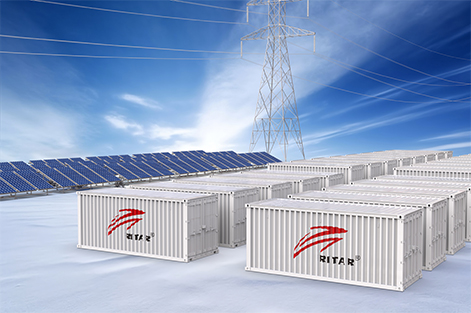
Ritar’s portfolio highlights hybrid potential. The Foshan Kepler project integrates energy storage for reliable data center operations. Broader deployments in industrial parks and telecom demonstrate smart lithium batteries scaling effectively. International examples in Panama (wind-solar-storage) and European microgrids show versatile smart grid energy storage applications adaptable to data centers.
Operators report improved power quality, reduced diesel runtime, and new revenue streams from grid services—turning energy storage from a cost center into a value generator.
As data centers consume ever-larger shares of electricity, UPS + BESS hybrid architecture becomes essential. Trends like behind-the-meter storage, direct renewable coupling, and AI-optimized controls will accelerate adoption. Ritar’s innovations in smart lithium iron phosphate battery and OPzV technologies position them at the forefront, supporting both traditional and next-gen facilities.
Challenges remain—such as supply chain scaling and evolving regulations—but the benefits in reliability, economics, and sustainability far outweigh them. Data center operators investing in integrated smart battery storage today will lead the industry tomorrow.
The shift to UPS + BESS hybrid represents a paradigm change from siloed backups to unified, intelligent energy platforms. Ritar Power’s comprehensive lineup of UPS lithium batteries and BESS provides the building blocks for these architectures, backed by real deployments and a focus on safety and performance.
For data centers navigating AI growth and energy transitions, this hybrid model delivers unmatched resilience while enabling smarter interaction with the grid and renewables. The era of integrated energy storage is here—ensuring critical infrastructure remains powered efficiently, sustainably, and intelligently.


 Residential
 Commercial & Industrial
 Data Center
 Railway
 Telecom Base Station
 Motive Power
 Others