EN
EN
 cn
cn 


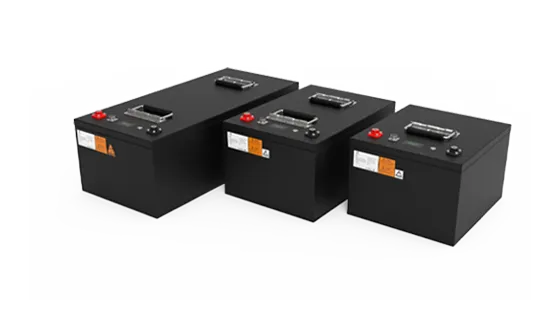
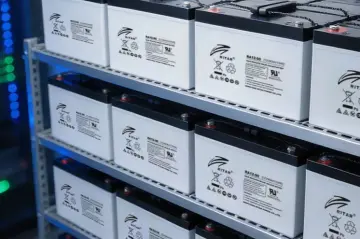
Ritar International Group’s lithium portfolio centers on LiFePO4 technology, offering a leap in energy efficiency with up to 10x the cycle life and 3x the energy density of lead-acid systems. Integrating high-density prismatic cells with an Intelligent BMS, these batteries ensure ultimate safety and thermal stability across all applications. With a versatile range from 12V to 800V, they are the premier choice for C&I BESS, Residential Solar, Telecom, and Motive Power. Certified by UL1973, UL9540A, and IEC62619, and featuring advanced IoT monitoring, Ritar Lithium provides a smart, sustainable, and maintenance-free energy backbone designed to power the global energy transition with absolute reliability.
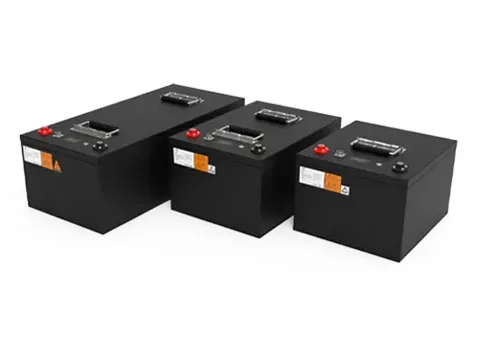
Leveraging over two decades of manufacturing expertise, Ritar delivers advanced lithium solutions. Our state-of-the-art, automated production ensures precision and consistency, from cell sorting to BMS integration. Refined through large-scale global deployment, our mature ecosystem guarantees performance uniformity and structural integrity. With millions of units supplied across diverse climates and industries, we offer proven scalability and supply chain stability for mission-critical energy projects. Partnering with Ritar means choosing decades of electrochemical mastery and rigorous quality for the modern energy transition.
Under standard operating conditions (25℃), Ritar LiFePO4 batteries typically offer:
• 6,000+ cycles at 80% Depth of Discharge (DOD).
• Up to 10–15 years of design life in stationary storage applications.
This significantly outperforms traditional lead-acid batteries, which usually offer 500–800 cycles.
Ritar exclusively utilizes Lithium Iron Phosphate (LiFePO4 or LFP) chemistry for its energy storage solutions. LFP is widely regarded as the safest lithium technology available, offering high thermal stability, a long cycle life, and zero "memory effect."
Yes. Every Ritar Lithium battery or system includes an integrated Intelligent BMS. This system acts as the "brain" of the battery, providing:
• Protection: Over-charge, over-discharge, and short-circuit safeguards.
• Temperature Control: Monitoring to prevent overheating or charging in freezing conditions.
• Cell Balancing: Ensuring all internal cells maintain a uniform voltage to maximize capacity and lifespan.
• Parallel: Most Ritar models support parallel connection (e.g., up to 15 or 16 units) to increase total capacity (Ah).
• Series: Whether a battery can be connected in series depends on the specific model (e.g., 12V vs. 48V modules).
Important: Always ensure all batteries are at the same State of Charge (SOC) and voltage before connecting them to prevent large balancing currents.
Ritar batteries are designed to be compatible with most leading global inverter brands (such as Victron, Growatt, Deye, and Solis). For 48V/51.2V rack-mounted systems, Ritar supports RS485 and CAN communication protocols, allowing the battery and inverter to "talk" to each other for optimized charging.
Ritar Lithium batteries have a significantly higher energy density. Generally, they are:
• 70% lighter than a lead-acid battery of the same capacity.
• 50% smaller in footprint, making them ideal for space-constrained installations like telecom cabinets or residential garages.
To ensure global compliance and safety, our lithium systems carry major certifications including:
• UN38.3 (Standard for safe transport).
• IEC 62619 (Safety requirements for large-scale industrial use).
• CE / UL1973 (In selected models for North American and European markets).
LiFePO4 batteries should not be charged at temperatures below $0^{\circ}C$. While they can discharge in cold weather, charging in freezing conditions can cause permanent damage. Ritar offers specific models with internal heating film technology for high-latitude regions, which warms the cells to a safe temperature before beginning the charge cycle.
No. Unlike flooded lead-acid batteries, Ritar Lithium batteries are 100% maintenance-free. There is no need for water topping, equalizing charges, or cleaning terminal corrosion. The BMS handles all balancing and health monitoring automatically.


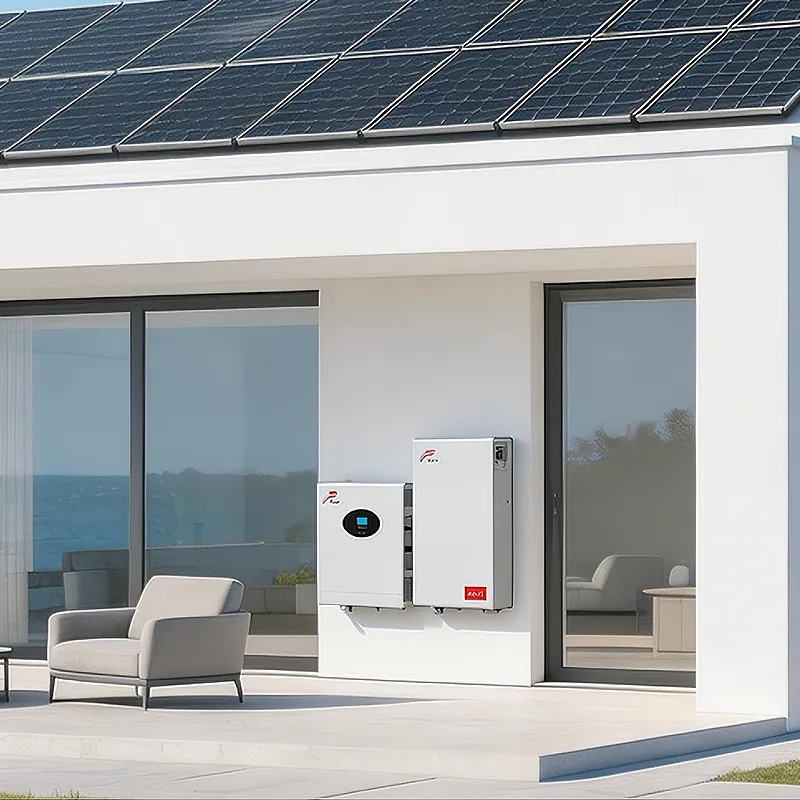
 Residential
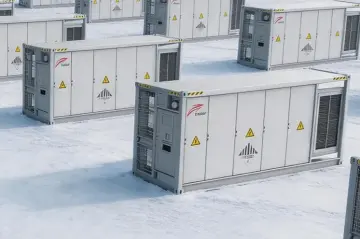
 Commercial & Industrial
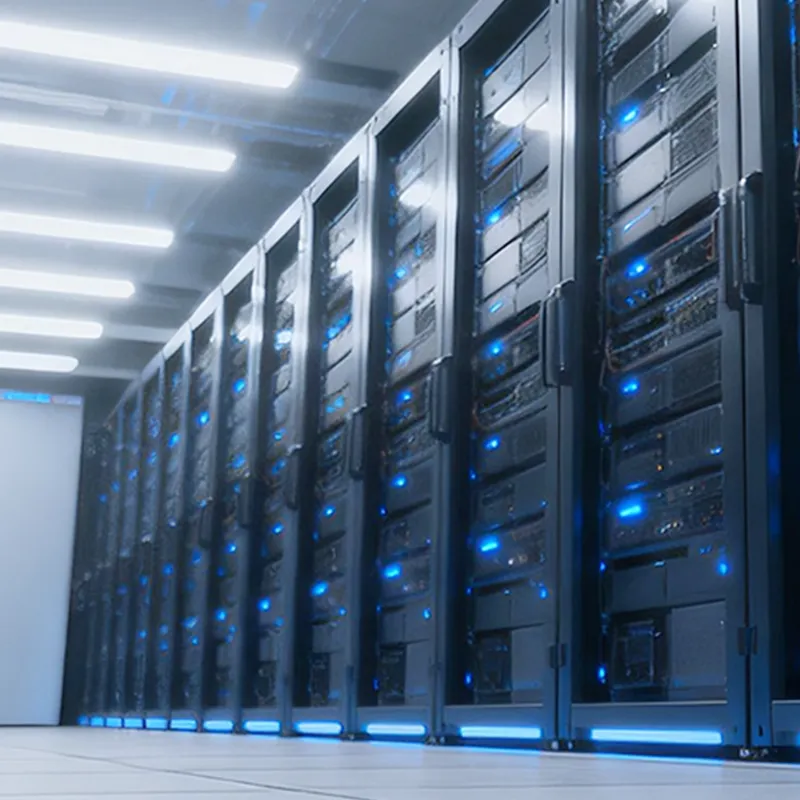
 Data Center
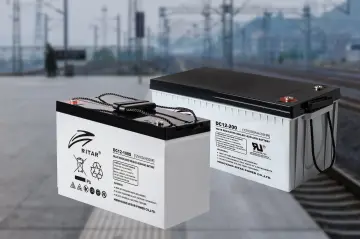
 Railway
 Telecom Base Station
 Motive Power
 Others