EN
EN
 cn
cn 

Solid-state batteries represent a revolutionary advancement in battery technology for electric vehicles, offering significant advantages over traditional lithium-ion batteries with liquid electrolytes. These batteries replace the liquid or gel electrolyte with a solid electrolyte, which brings about a multitude of benefits in terms of energy density, safety, and performance.
One of the most notable advantages of solid-state batteries is their potential for higher energy density. Solid electrolytes can enable the use of lithium metal anodes, which have a much higher theoretical capacity compared to the graphite anodes used in conventional lithium-ion batteries. This allows solid-state batteries to store more energy in the same volume or weight, potentially doubling or even tripling the range of electric vehicles. A higher energy density also means that the battery pack can be smaller and lighter, contributing to improved vehicle efficiency and performance.
Safety is another area where solid-state batteries excel. Since they do not contain flammable liquid electrolytes, the risk of thermal runaway and battery fires is significantly reduced. Liquid electrolytes are prone to leakage, which can lead to short circuits and safety hazards. Solid electrolytes, on the other hand, are more stable and less likely to cause such issues. This enhanced safety makes solid-state batteries a more attractive option for electric vehicles, as it provides greater peace of mind for consumers and reduces the need for complex and bulky safety mechanisms.
Solid-state batteries also offer better performance at low temperatures. The solid electrolyte has a more stable ionic conductivity over a wide temperature range compared to liquid electrolytes, which tend to thicken and become less conductive in cold conditions. This means that electric vehicles equipped with solid-state batteries can maintain better performance and range even in cold climates, addressing one of the limitations of current lithium-ion batteries.
However, despite their promising potential, solid-state batteries still face several challenges before they can be widely adopted in electric vehicles. One of the main obstacles is the high cost of production. The manufacturing processes for solid-state batteries are more complex and require advanced materials and techniques, which drive up the cost. Additionally, there are technical challenges related to the interface between the solid electrolyte and the electrodes, which can affect the battery's performance and lifespan. Researchers are actively working on overcoming these challenges to make solid-state batteries more commercially viable for electric vehicle applications.


 AIDC
AIDC
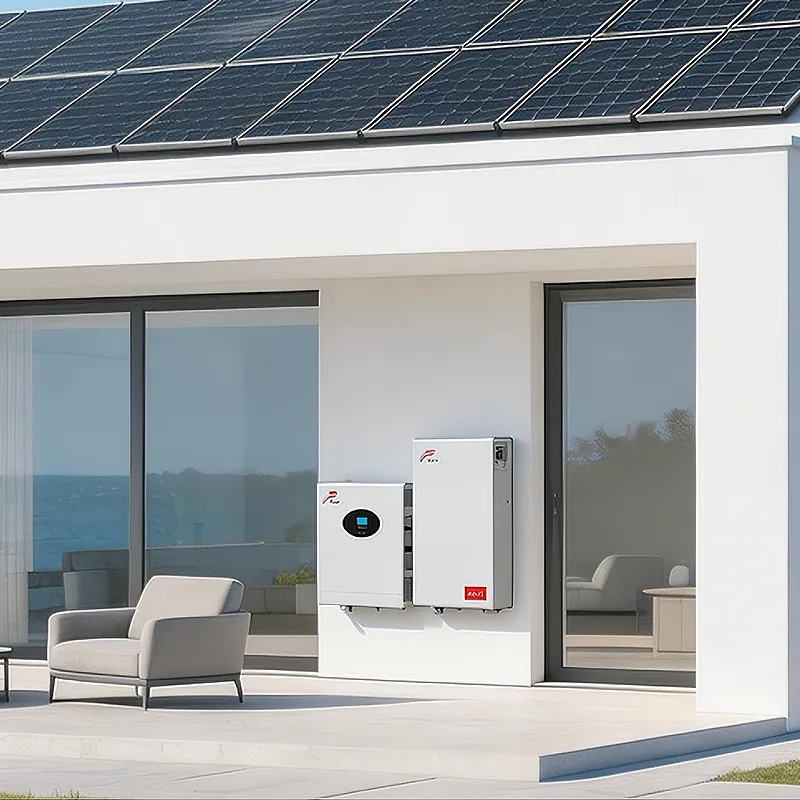
 Residential
 Commercial & Industrial
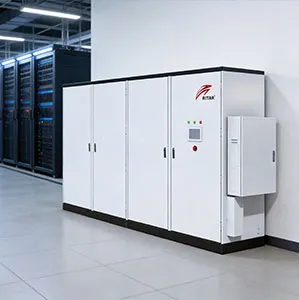
 Data Center
 Railway
 Telecom Base Station
 Motive Power
 Others