EN
EN
 cn
cn 

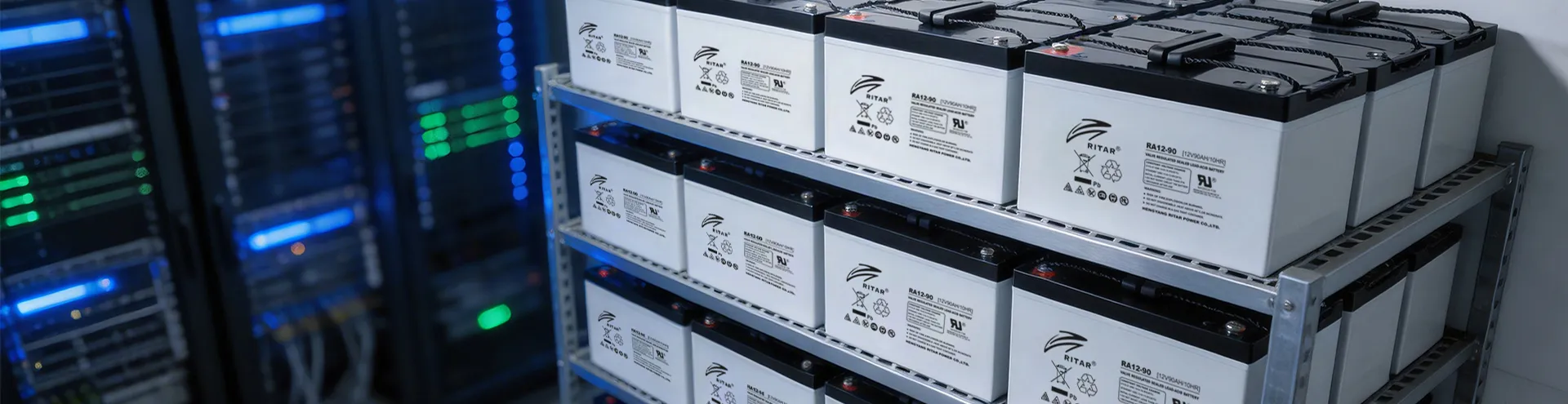
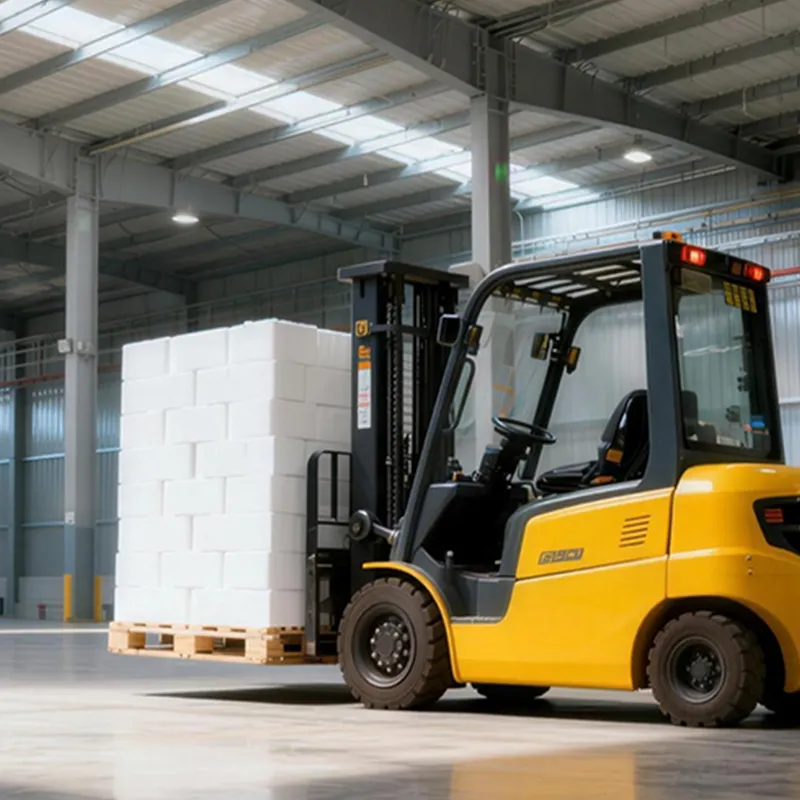
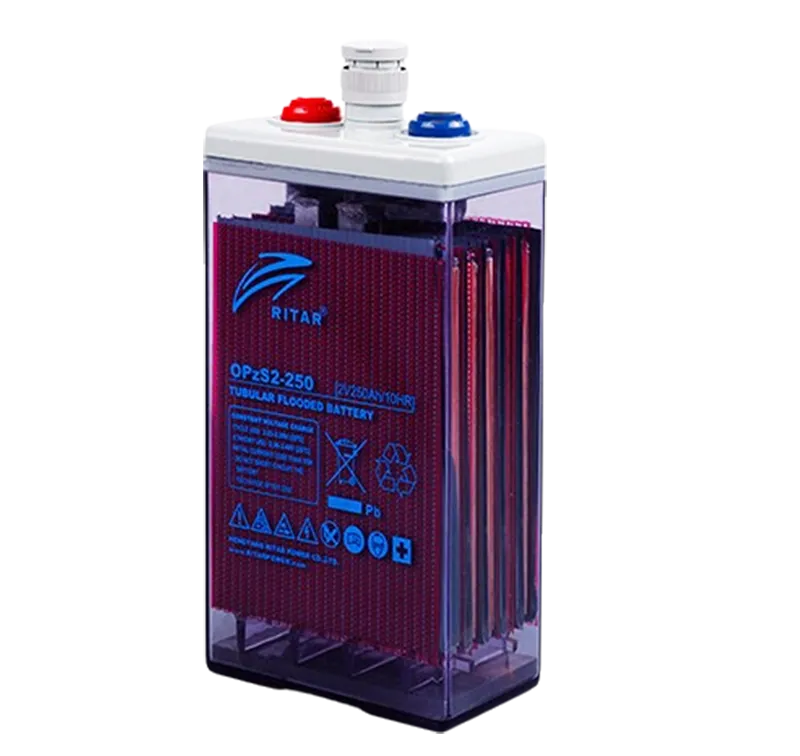
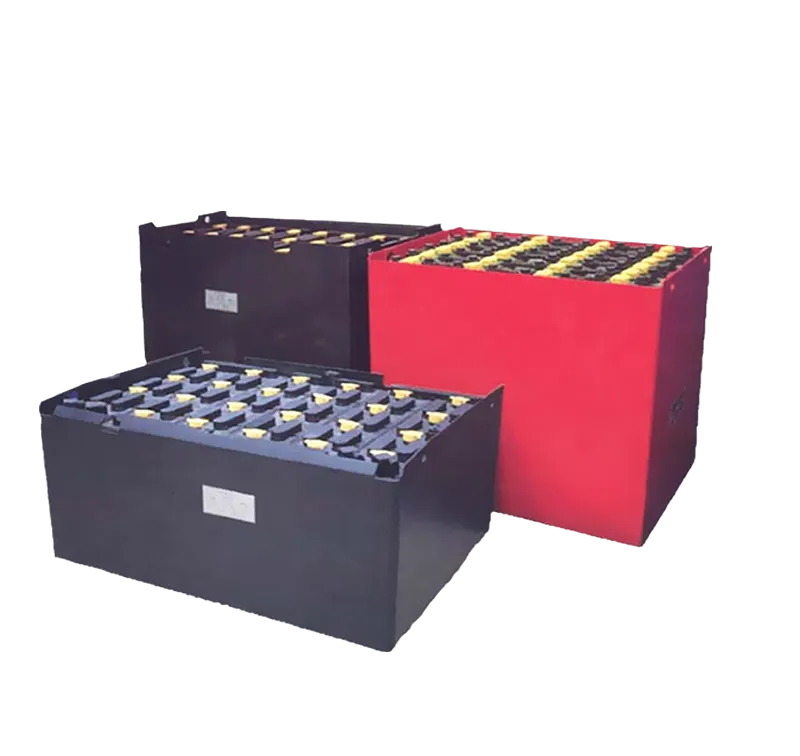
Ritar’s Flooded Battery series (including Traction and Vented types) is built for heavy-duty industrial motive power and large-scale stationary applications. Unlike sealed VRLA types, the flooded (vented) design allows for optimal heat dissipation and easy electrolyte management, ensuring peak performance during rigorous, multi-shift operations. Featuring robust tubular positive plates and high-density active materials, this series offers the highest energy-to-weight ratio and the longest cycle life in the lead-acid family. It is the gold standard for forklifts, mining locomotives, and large-scale industrial energy storage, delivering a cost-effective and powerful energy backbone for heavy industry.
A Flooded Lead Acid battery, often called a "wet cell," is the traditional type of lead-acid battery. It consists of lead plates submerged in a liquid electrolyte solution (a mix of sulfuric acid and distilled water). Unlike AGM or Gel batteries, the electrolyte is free-flowing and can move within the battery casing.
During the charging process, a chemical reaction called "electrolysis" occurs, which breaks down the water in the electrolyte into hydrogen and oxygen gases. These gases escape through the battery vents, causing the water level to drop over time. To prevent the plates from drying out and being damaged, you must periodically top up the cells with distilled water.
This depends heavily on use and temperature:
• Standard Use: Check every 2–4 weeks.
• High Heat / Heavy Use: Check every week.
• Rule of Thumb: Never let the liquid level fall below the top of the lead plates. If the plates are exposed to air, they will oxidize and lose capacity permanently.
Only use distilled or deionized water. Never use tap water, bottled mineral water, or well water. Tap water contains minerals (like calcium or iron) that will coat the lead plates and cause "poisoning" of the battery, leading to rapid failure.
• Cost-Effectiveness: They are generally the most affordable battery technology per Amp-hour (Ah).
• Durability: They are very robust and handle high-current applications well.
• Troubleshooting: Because they have removable caps, you can use a hydrometer to check the specific gravity of the acid, which is the most accurate way to determine the battery's true state of health.
• Cost-Effectiveness: They are generally the most affordable battery technology per Amp-hour (Ah).
• Durability: They are very robust and handle high-current applications well.
• Troubleshooting: Because they have removable caps, you can use a hydrometer to check the specific gravity of the acid, which is the most accurate way to determine the battery's true state of health.
An equalizing charge is a deliberate, controlled overcharge performed periodically (usually every 30 days or after a deep discharge). It serves two purposes:
1. Balancing: Ensuring all cells reach the same voltage.
2. Mixing: The bubbling action (gas production) mixes the electrolyte to prevent acid stratification, where the acid becomes more concentrated at the bottom of the battery.
No. Flooded batteries must be kept upright at all times. Because the electrolyte is a free liquid and the caps are usually vented, tilting or laying the battery on its side will result in acid leaks, which can cause severe corrosion and safety hazards.
Yes, several precautions are necessary:
• Ventilation: They release small amounts of hydrogen gas during charging, so they must be kept in a well-ventilated area to prevent gas buildup.
• Corrosion: Acid mist can settle on terminals, causing white "crusty" corrosion. This should be cleaned with a mixture of baking soda and water.
• Protective Gear: Always wear gloves and eye protection when handling or watering these batteries to avoid acid burns.
With proper maintenance (regular watering and equalizing), a high-quality flooded deep-cycle battery can last 4 to 8 years. However, without maintenance, they can fail in as little as 12–18 months.
Choose Flooded if:
• You are on a budget and want the lowest initial cost.
• You have easy access to the batteries for regular maintenance.
• You are using them in a traditional solar or backup system where the batteries stay upright in a ventilated enclosure.

 Residential
 Commercial & Industrial
 Data Center
 Railway
 Telecom Base Station
 Motive Power
 Others