EN
EN
 cn
cn 

The maritime industry relies heavily on robust energy storage for both propulsion and auxiliary systems. Marine lithium cranking battery options are transforming how vessels operate, offering superior performance over traditional setups. Ritar Power, a trusted manufacturer, provides specialized solutions for ship's motive power, including options suitable for yachts, motorhomes, and commercial vessels.
Understanding the nuances of marine power sources is essential for boat owners and operators. This guide explores key aspects of marine battery technology, with emphasis on charging practices, comparisons, and modern lithium advancements from providers like Ritar.
A common question is the difference between car battery and marine battery. Car batteries are primarily designed for high cranking amps to start engines quickly, delivering short bursts of power. They are not built for sustained discharge or the harsh conditions of marine environments.
Marine batteries, on the other hand, are engineered for dual purposes: cranking and deep cycling. They power trolling motors, electronics, lights, and other onboard accessories over extended periods. These batteries feature thicker plates and reinforced construction to withstand vibrations, saltwater exposure, and frequent cycling. This makes them ideal for marine battery charging scenarios where reliability is critical.
Within marine applications, marine deep cycle battery variants excel at providing consistent power over long durations, discharging up to 50-80% of capacity repeatedly without significant damage. This contrasts with starting batteries, which should avoid deep discharges.
Note that queries like difference between C and D batteries often refer to standard dry cell sizes (C and D), which are smaller consumer batteries unrelated to marine propulsion. Marine systems typically use larger 12V, 24V, or higher voltage banks composed of dedicated deep-cycle or dual-purpose cells.
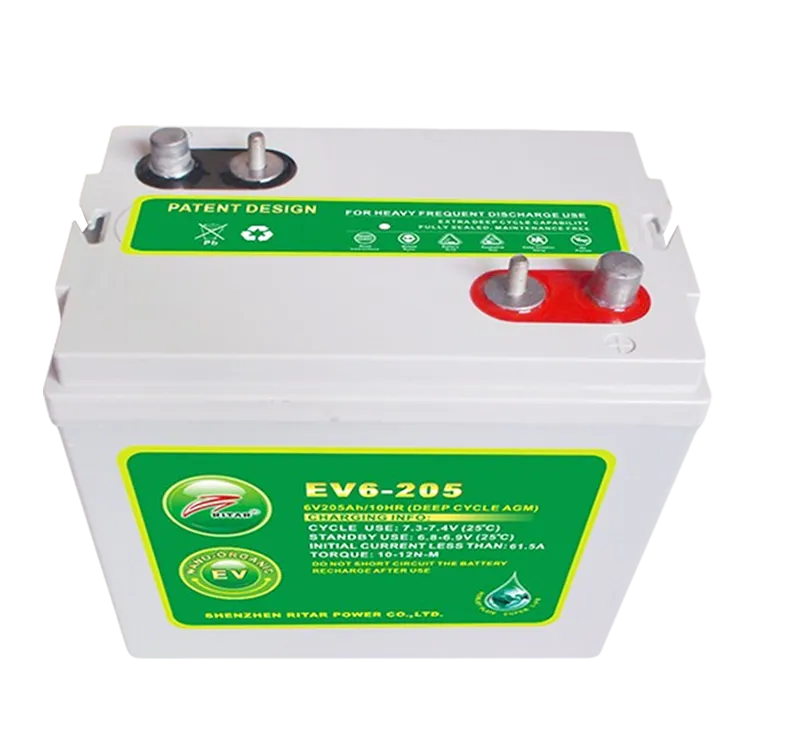
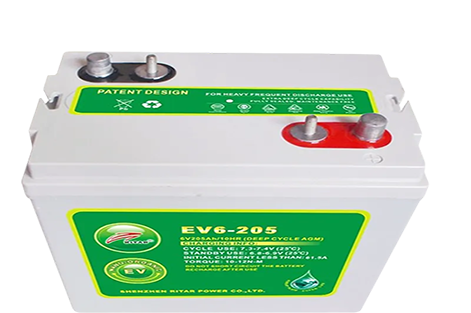
Ritar's offerings, including their EV-M series lead-acid batteries and lithium conversions, cater specifically to these demanding marine energy storage needs, ensuring durability in motive power applications for ships.
Transitioning to marine lithium cranking battery technology provides significant benefits. Lithium iron phosphate (LiFePO4) batteries deliver higher energy density, meaning more power in a lighter, more compact package. This reduces overall vessel weight, improving fuel efficiency and handling.
Marine battery lithium options from manufacturers like Ritar offer thousands of cycles, often 2,000-5,000 or more, compared to 300-800 for traditional lead-acid. They maintain stable voltage during discharge, ensuring reliable performance for critical systems. Unlike lead-acid, lithium batteries suffer minimal sulfation and require no watering or equalizing charges.
For marine energy storage, lithium systems integrate well with solar arrays or hybrid setups on yachts and boats. Ritar's motive power solutions support applications in motorhomes and yachts, providing safe, high-performance power.
Safety features in modern marine lithium cranking battery packs include built-in Battery Management Systems (BMS) that prevent overcharge, over-discharge, and thermal issues. This is vital in the confined, sometimes humid spaces of a boat.
Proper marine battery charging is crucial for longevity and performance. Here's a step-by-step approach tailored to both lead-acid and lithium types.
First, identify your battery type and specifications. For how to charge a marine battery, always consult the manufacturer's guidelines. Ritar batteries, for instance, are designed for compatibility with standard marine chargers, but lithium models benefit from dedicated profiles.
How to charge boat batteries involves:
Safety First: Work in a well-ventilated area. Wear protective gear. Disconnect loads if possible.
Choose the Right Charger: Use a marine-grade smart charger with multi-stage charging (bulk, absorption, float). For how to charge a marine deep cycle battery, select a charger matching the battery's voltage and capacity. A charger outputting 10-20% of the Ah rating is ideal—for a 100Ah battery, aim for 10-20A.
Connection: Connect positive to positive, negative to negative. For multi-bank systems, charge individually or use a charger with multiple outputs.
Charging Process:
Bulk Stage: Delivers maximum current until ~80% capacity.
Absorption: Maintains voltage to top off safely.
Float: Keeps the battery at full charge without overcharging.
For how to charge marine battery deep cycle units, avoid rapid charging if not specified, as it can generate heat. Lithium batteries charge faster and more efficiently, often reaching 80% in under an hour with appropriate equipment.
Marine battery charge maintenance includes regular checks. For lead-acid, monitor electrolyte levels (where applicable). Lithium requires less intervention but benefits from periodic full charges.
Marine battery charging while underway can use the alternator, but install a smart regulator to prevent overcharging. Shore power is ideal for full recharges at docks.
Ritar emphasizes solutions that support rapid charging in motive power contexts, balancing performance with longevity for ship applications.
Marine battery lithium adoption is growing due to reduced weight and maintenance. A marine lithium cranking battery can replace multiple lead-acid units, freeing up space and reducing strain on the vessel.
When selecting batteries, consider capacity, reserve capacity (RC), and cold cranking amps (CCA) for starting needs. For house banks, prioritize deep-cycle ratings.
Installation tips: Secure batteries against movement. Use marine-rated cables and fuses. Ensure proper ventilation, especially for lead-acid types that may vent gases.
For marine energy storage in hybrid or electric propulsion, lithium systems pair excellently with renewable sources like solar panels, extending range and reducing generator runtime.
Boaters report extended time on the water with marine battery lithium setups. Consistent power supports electronics, refrigerators, and navigation without voltage drops. Faster recharging means less downtime.
Environmental benefits include higher efficiency and recyclability of lithium options. Ritar's focus on safe, innovative batteries aligns with sustainable maritime practices.
Cost-wise, while marine battery lithium has a higher upfront price, the total cost of ownership drops due to longer life and zero maintenance. Lead-acid alternatives like Ritar's EV-M series remain cost-effective for many users, offering proven reliability in motive power.
Common issues include sulfation in lead-acid batteries from improper marine battery charging. Use desulfators or regular full charges to mitigate. For lithium, monitor BMS alerts via apps if available.
Store batteries at moderate temperatures, ideally 50-80% charge for long periods. Avoid full discharge, especially in cold conditions.
For how to charge a marine battery in cold weather, use temperature-compensated chargers. In hot climates, ensure good airflow.
Regular testing with a multimeter or hydrometer (for flooded lead-acid) helps catch issues early.
Ritar Power stands out with dedicated ship's motive power batteries, supporting both traditional and advanced chemistries. Their expertise in energy storage ensures products meet the rigorous demands of marine environments, from small pleasure crafts to larger vessels.
When sourcing marine battery lithium or deep-cycle options, evaluate warranties (often 5+ years for premium lithium), certifications, and support. Compatibility with existing systems is key—many lithium drops replace lead-acid with minimal modifications.
The shift toward electrification in boating favors marine energy storage systems. Innovations include smarter BMS, higher densities, and seamless solar integration.
Ritar continues to advance motive power solutions, contributing to greener, more efficient maritime operations.
Mastering marine battery selection ensures reliable, worry-free boating. Whether sticking with robust lead-acid like Ritar's EV-M series or upgrading to marine battery lithium, the right choice enhances safety, performance, and enjoyment on the water.
Prioritize quality, proper charging routines, and compatibility for the best results. Explore how to charge boat batteries tailored to your setup and consult experts for custom marine energy storage solutions. With advancing technology, the future of marine power is brighter, more efficient, and more sustainable than ever.
Invest in reliable batteries today to power your adventures tomorrow. From understanding basic differences to implementing best charging practices, informed decisions lead to smoother sailing and fewer headaches at sea.



 AIDC
AIDC
 Residential
 Commercial & Industrial
 Data Center
 Railway
 Telecom Base Station
 Motive Power
 Others