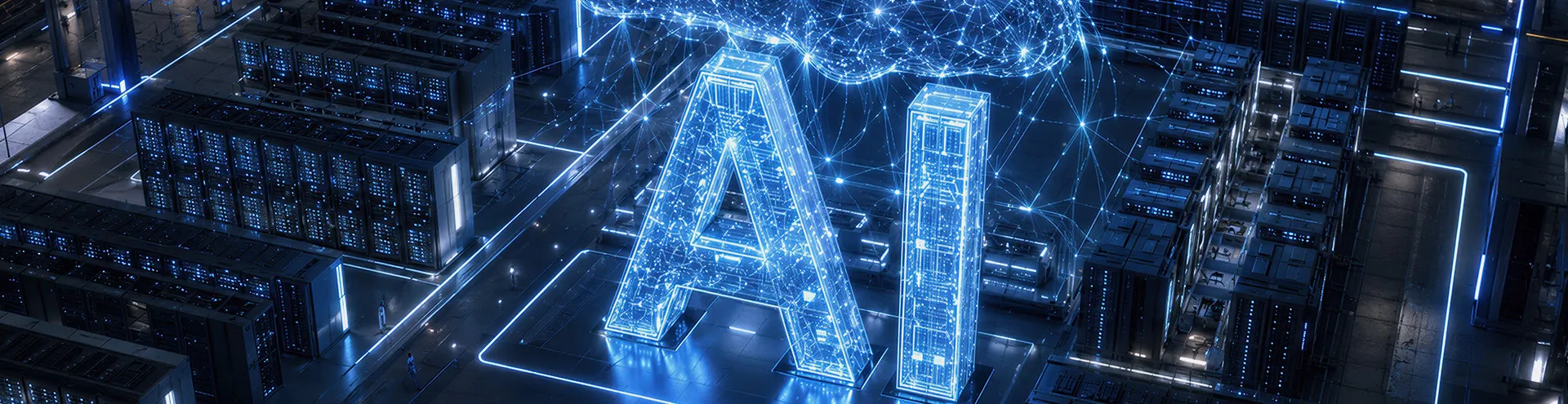
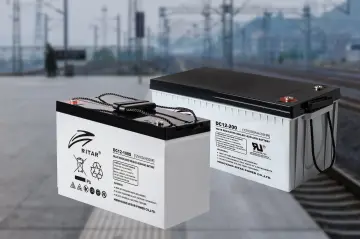
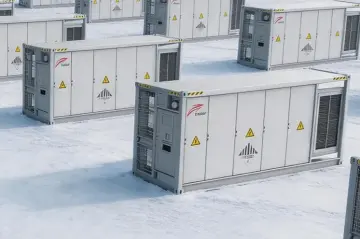
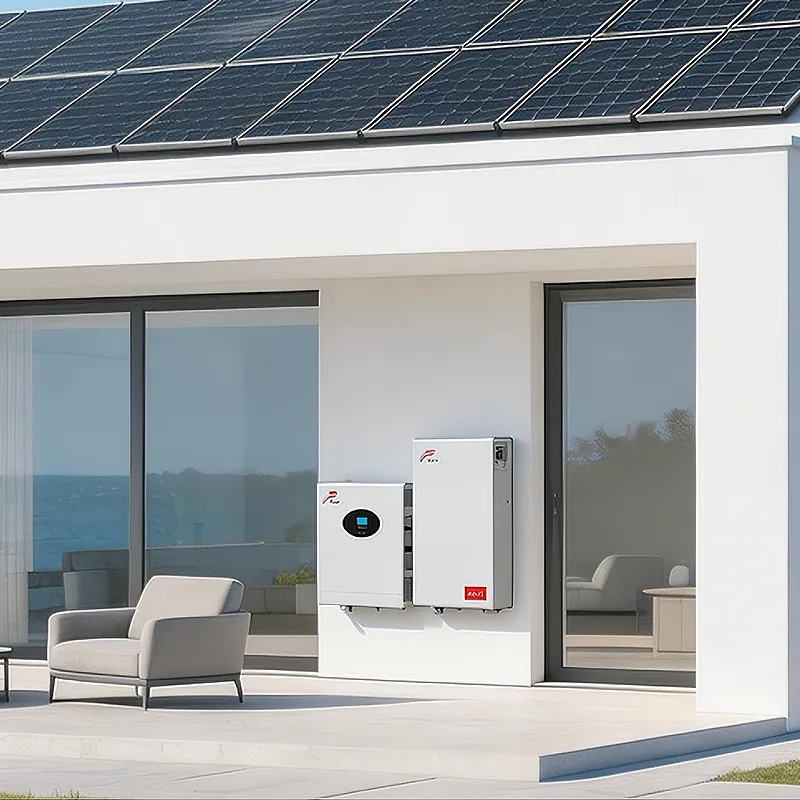
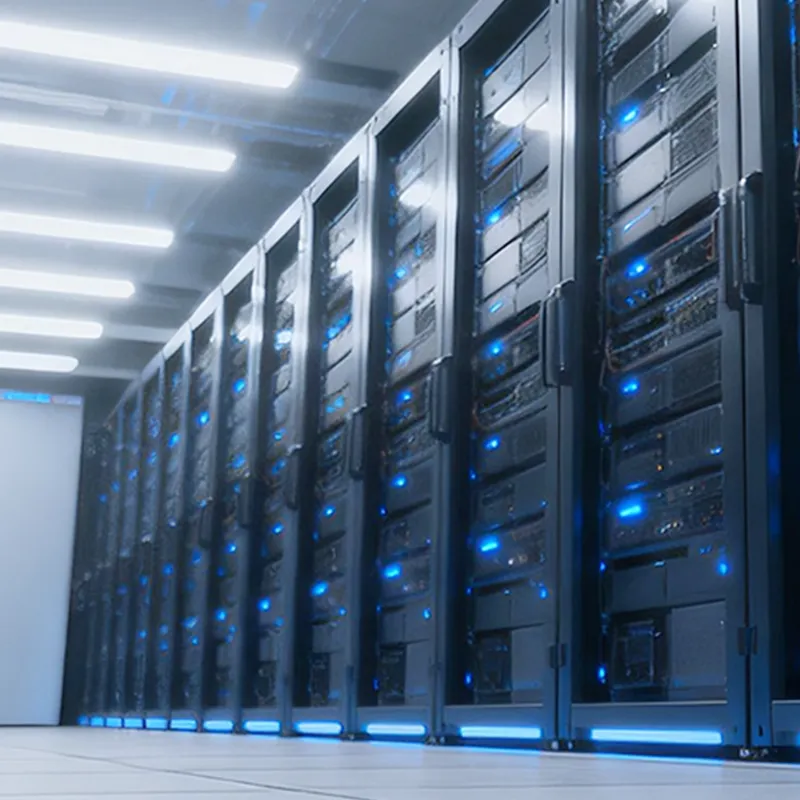
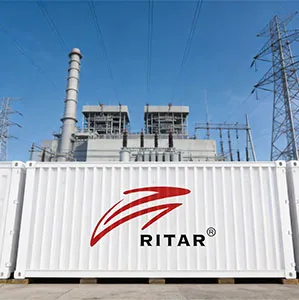
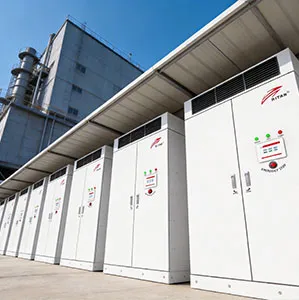
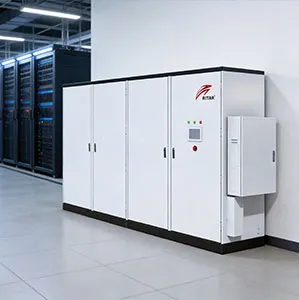
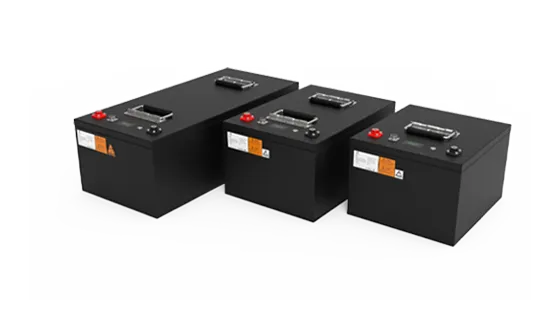
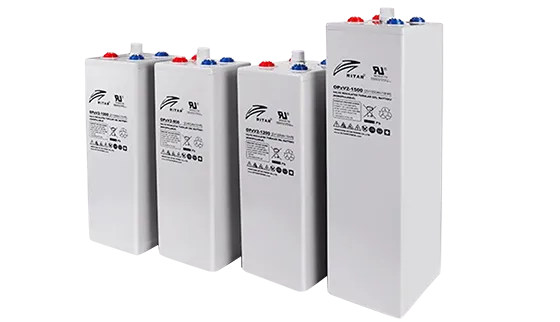
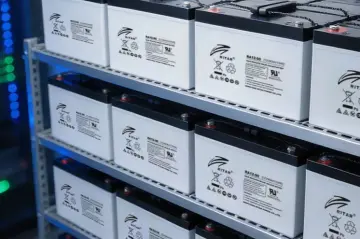
An AIDC energy storage solution is a coordinated battery power architecture designed for artificial intelligence data centers and other high-density computing facilities. Ritar combines high-rate LiFePO4 UPS batteries for critical-load protection with modular battery energy storage systems for peak shaving, extended backup, renewable integration and site-level energy management.
The solution can be configured for edge AI rooms, enterprise computing centers and larger AI data center campuses.
AI training and inference workloads create power profiles that differ significantly from conventional enterprise computing. Higher rack density, synchronized GPU activity and rapid load changes place greater demands on backup power, power quality and site-level energy management.

Rapid changes in GPU utilization can create significant power variations that must be managed without affecting critical computing operations.

High-density racks require more power within a limited footprint, increasing demand for compact, high-rate battery systems.

Operators increasingly need to integrate renewable energy, reduce generator runtime and improve energy utilization.

Even short power disturbances may interrupt AI training, inference services and critical data processing.

New AI facilities may face limited grid capacity, delayed interconnection or restrictions on peak power demand.

High and variable power consumption can increase demand charges and expose operators to peak electricity pricing.
High-rate lithium batteries provide rapid power support for critical computing loads while standby generators or alternative power sources are brought online.
Coordinated battery systems can help buffer rapid load changes and reduce the impact of fluctuating AI computing demand on upstream electrical infrastructure.
The BESS can discharge during high-demand periods to reduce peak grid consumption and support more predictable site power management.
Site-level energy storage can supplement the UPS layer and provide additional operating time during longer grid interruptions.
Stored solar or other renewable energy can be used when generation is unavailable or when facility demand increases.
Subject to local regulations and system configuration, the BESS can support load shifting, demand response and other grid-interactive functions.
Supports the rapid discharge requirements of UPS and high-density critical loads.
Provides more usable battery capacity within limited electrical and battery-room space.
Helps restore backup readiness after discharge events or system testing.
Supports applications involving regular testing, partial discharge and energy-management cycles.
The BMS monitors battery voltage, current, temperature, state of charge and system alarms.
Eliminates watering and several routine maintenance procedures associated with traditional flooded batteries.
More than two decades of battery research, manufacturing and energy storage experience.
Multiple production bases and international warehousing centers support global project supply.
Product options range from rack-mounted lithium batteries to modular cabinet and containerized energy storage systems.
Support for battery sizing, UPS compatibility assessment, communication integration and customized system configuration.
Battery cells, modules, BMS functions and completed systems are tested before shipment.
Experience serving data centers, telecommunications, industrial facilities, energy storage and other mission-critical applications.