EN
EN
 cn
cn 


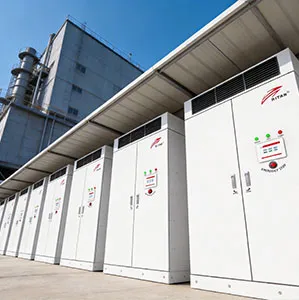
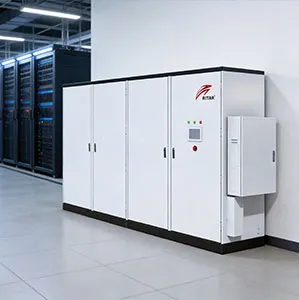
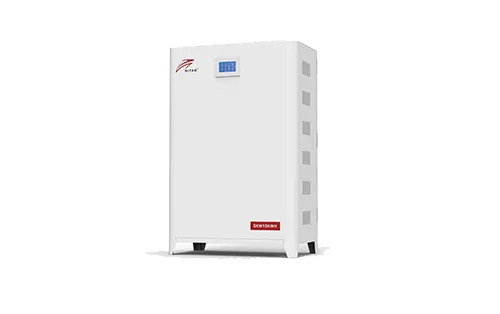
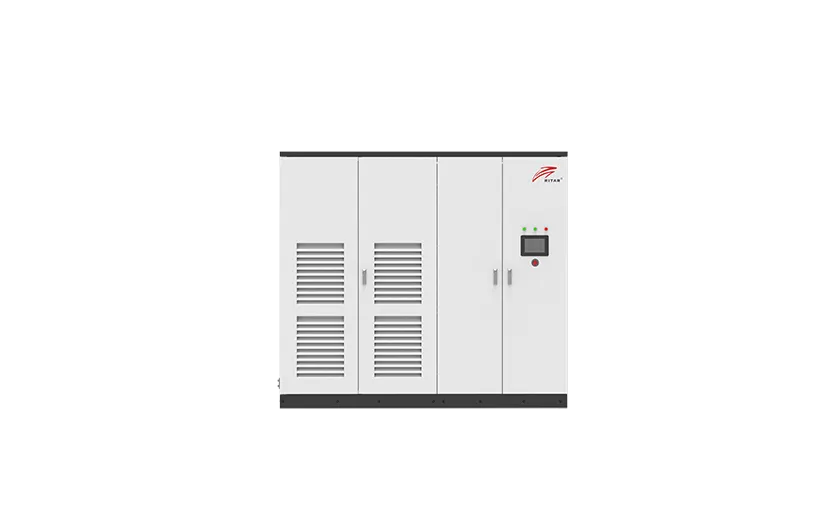
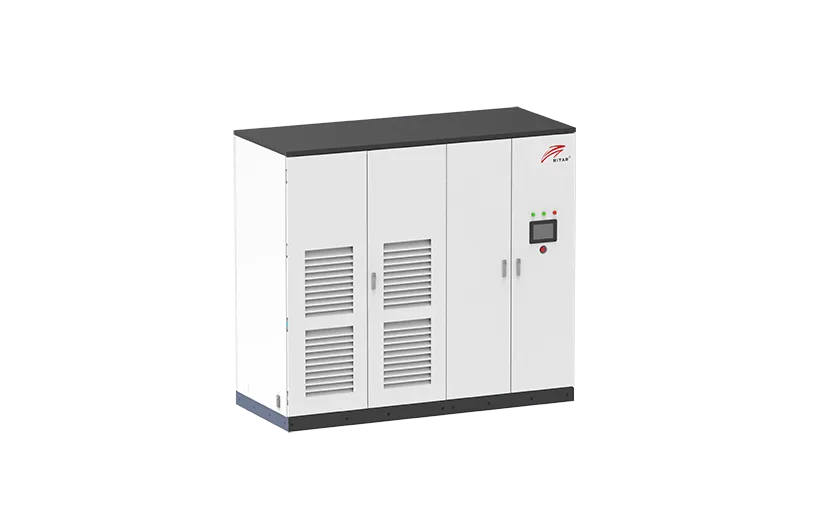
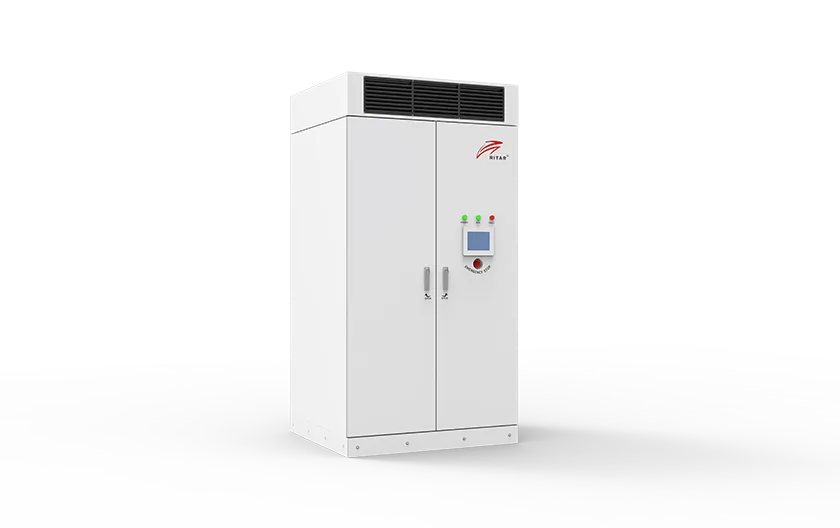
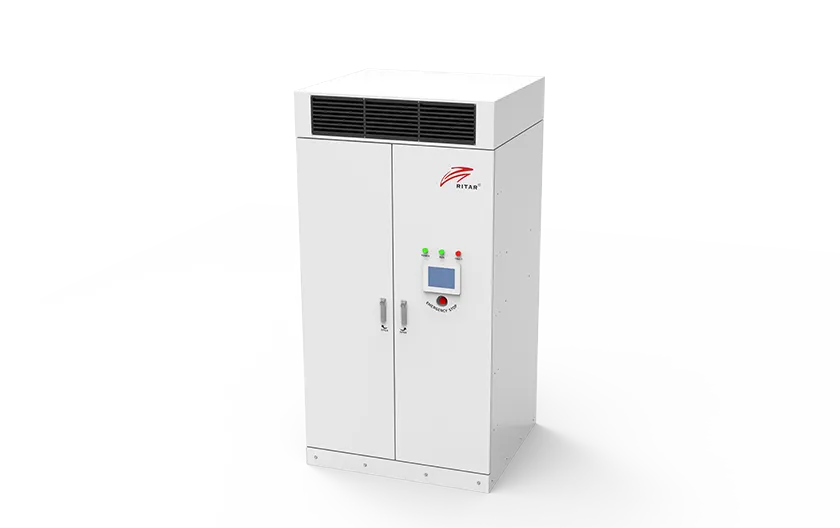
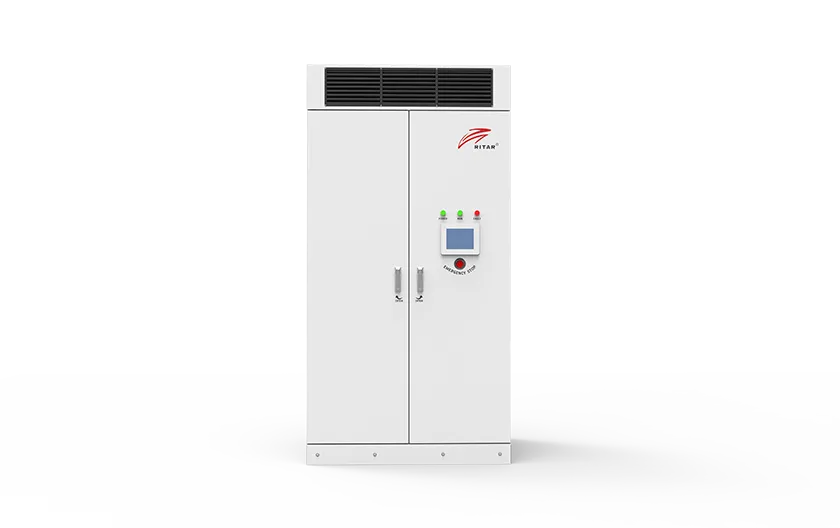
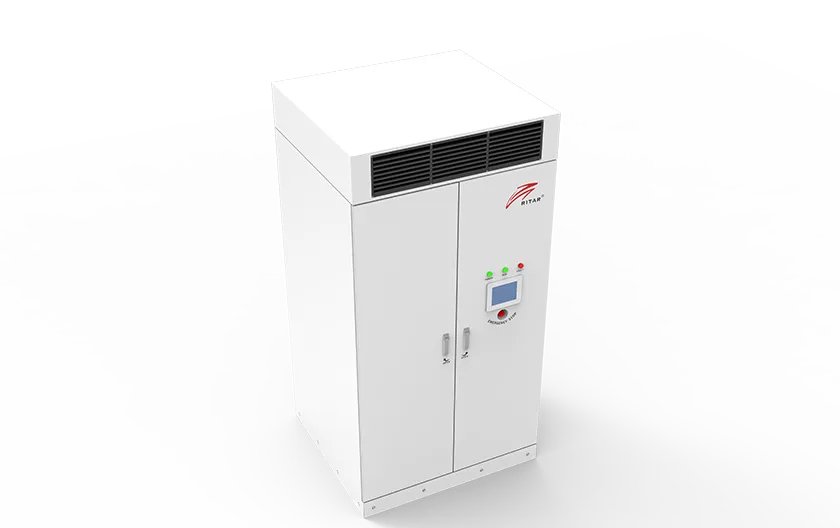
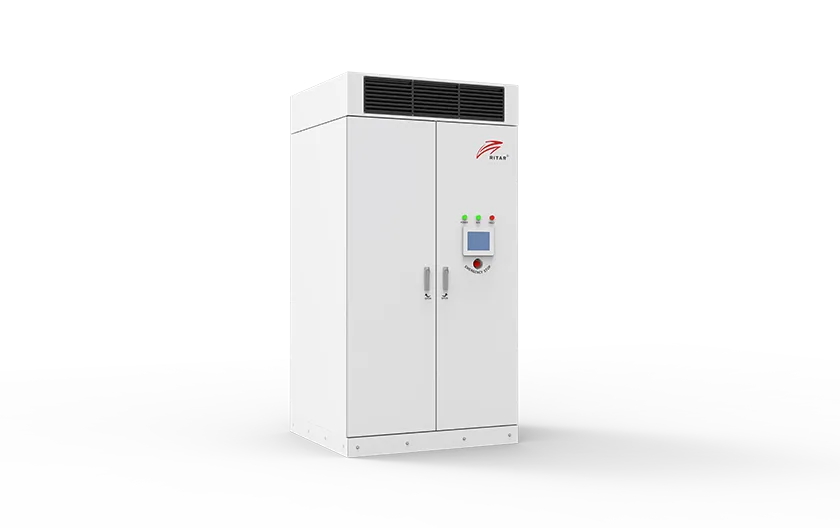
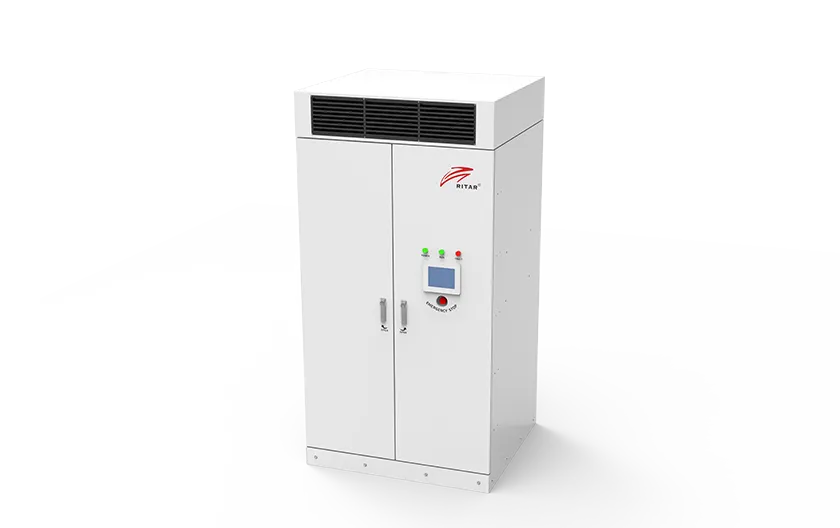
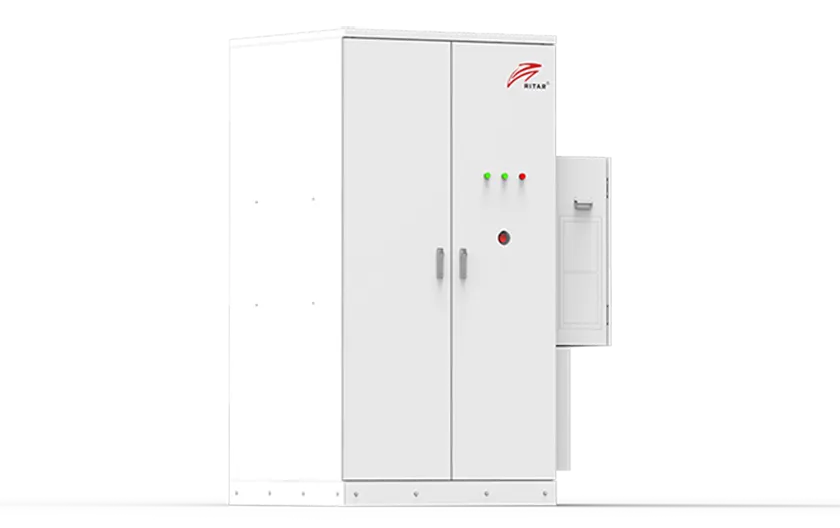
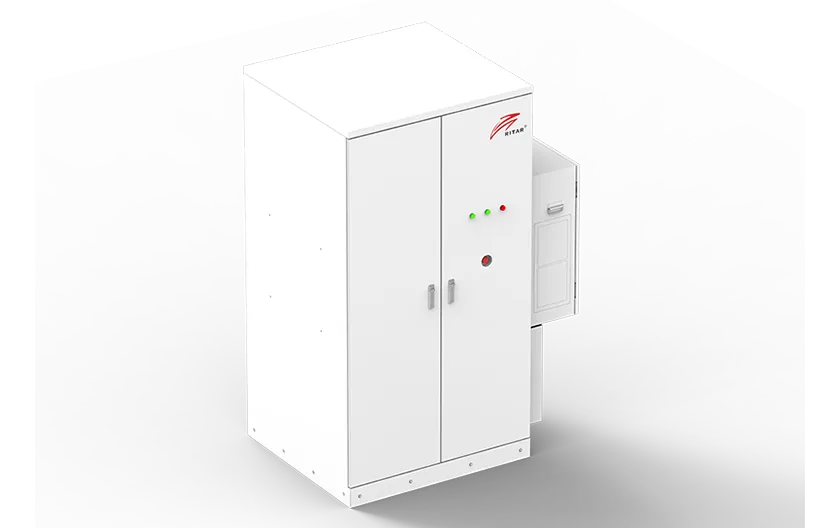
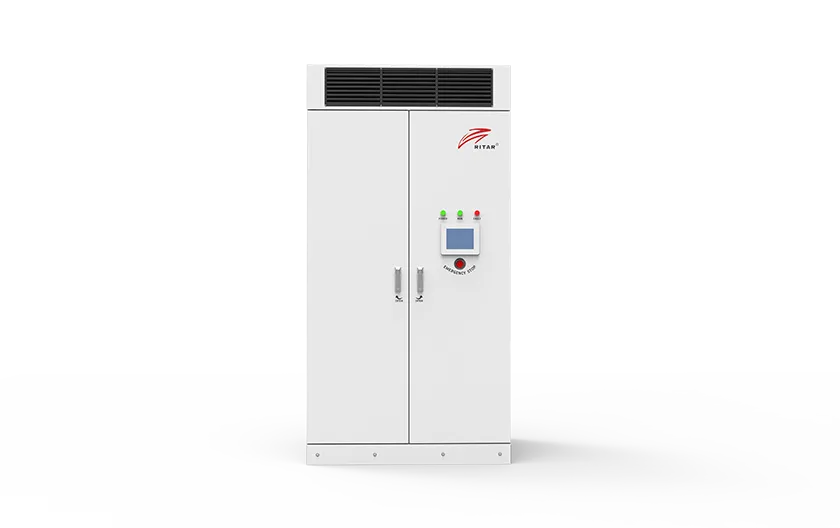
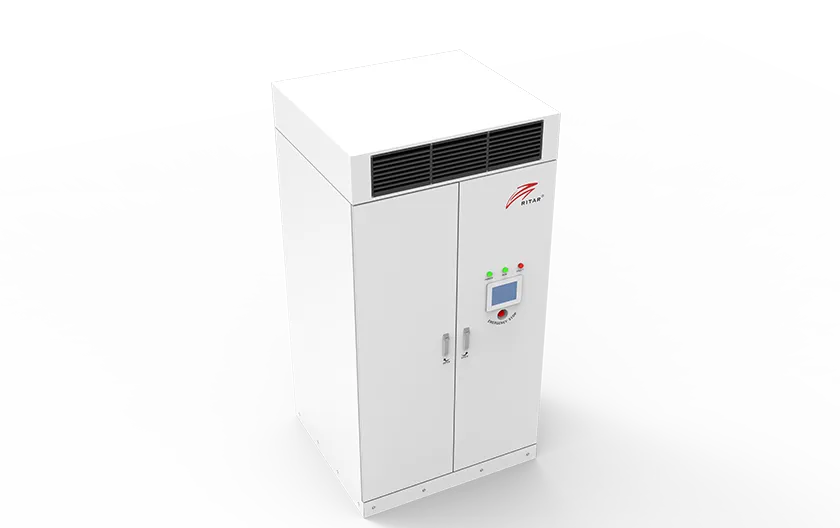
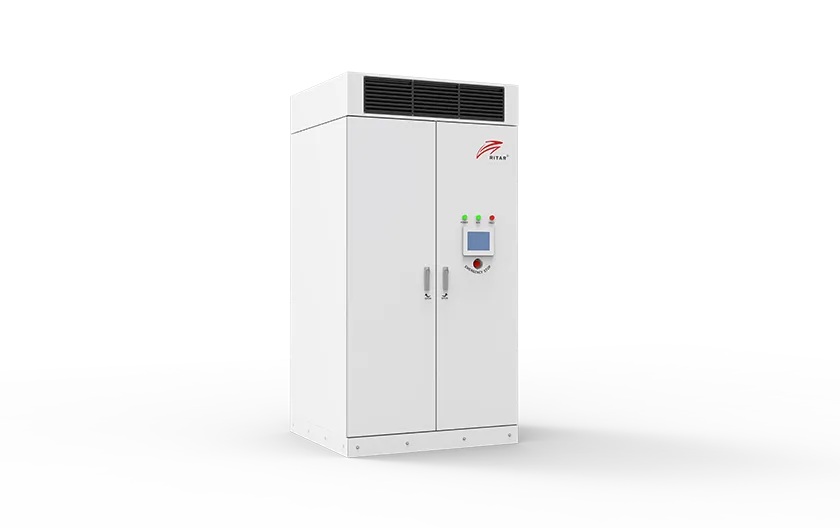
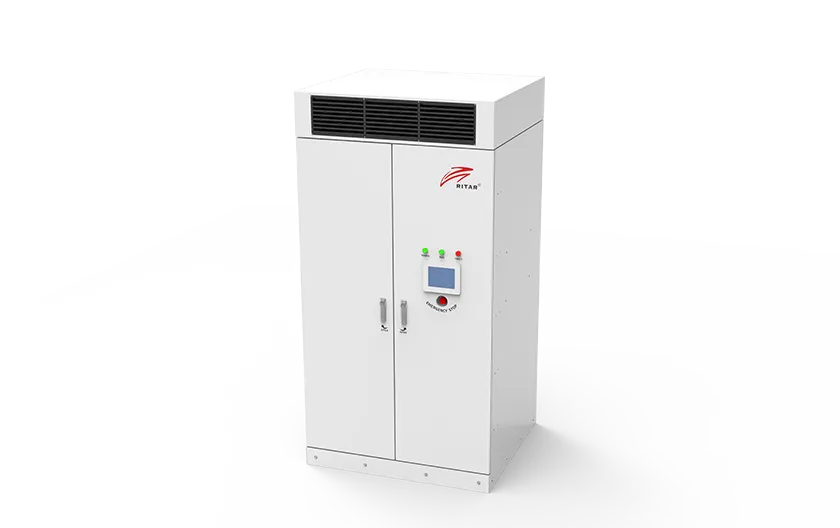
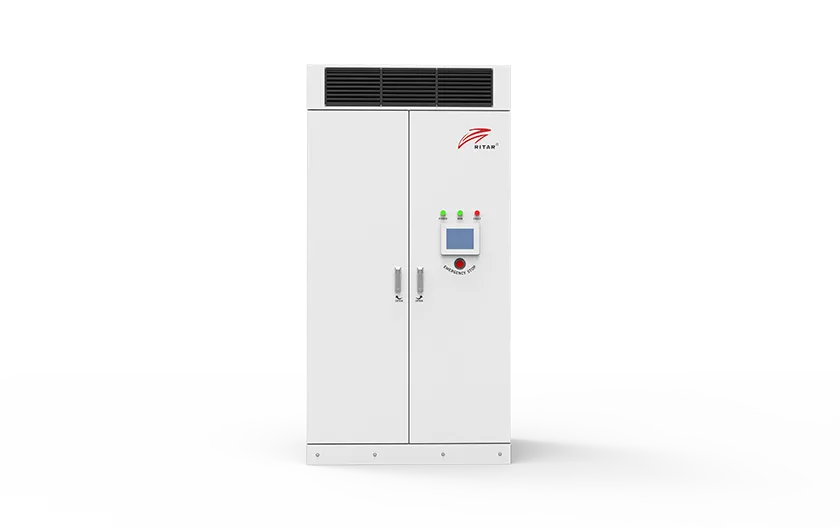
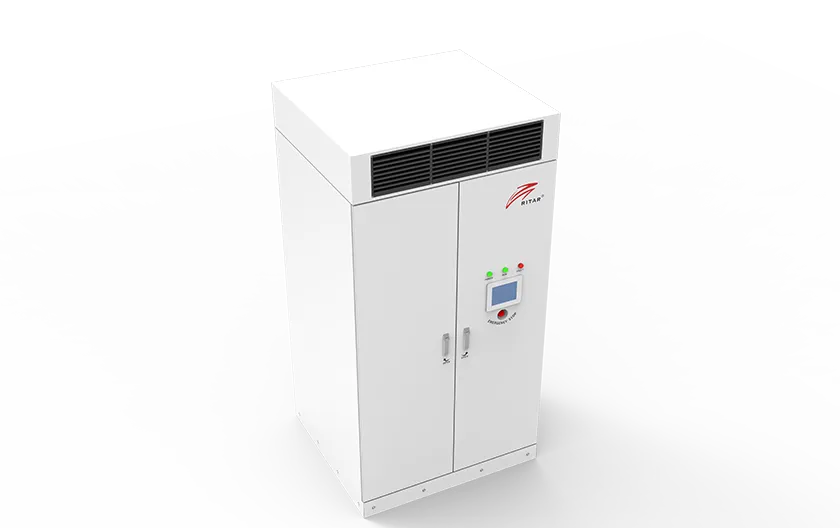
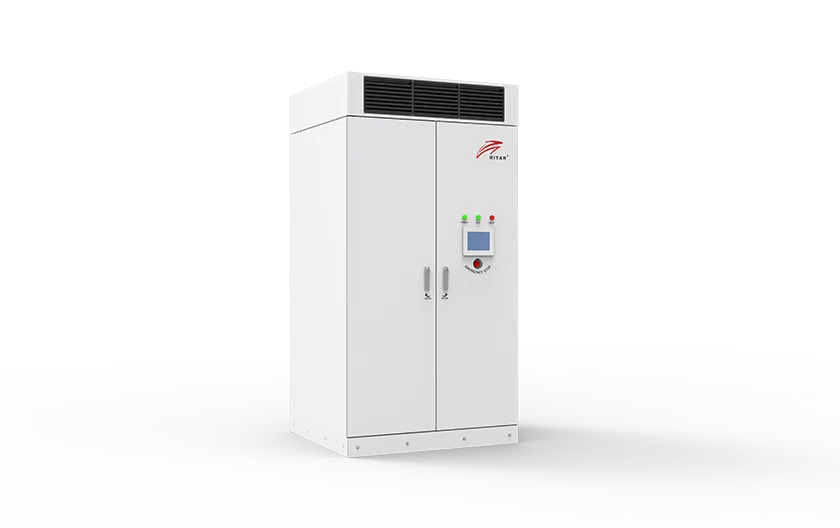
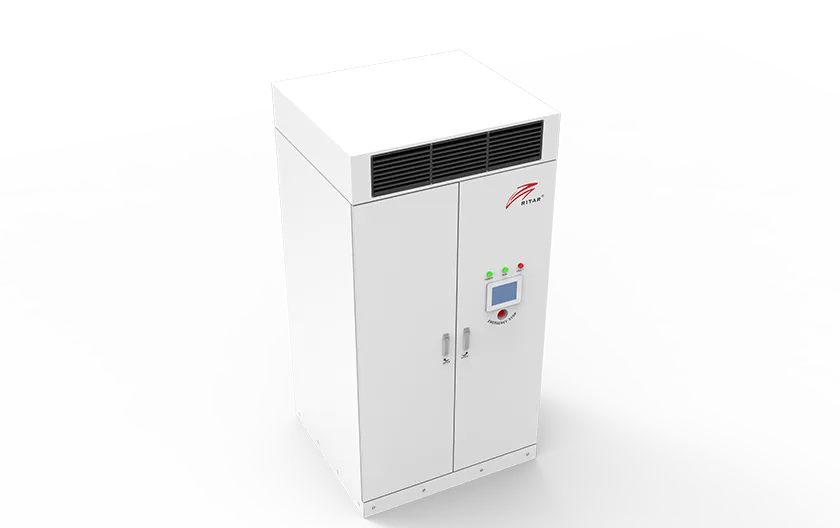
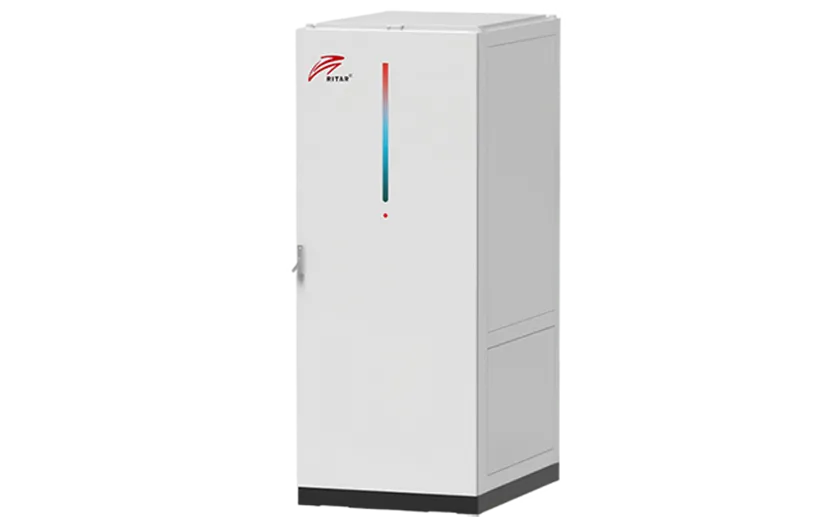
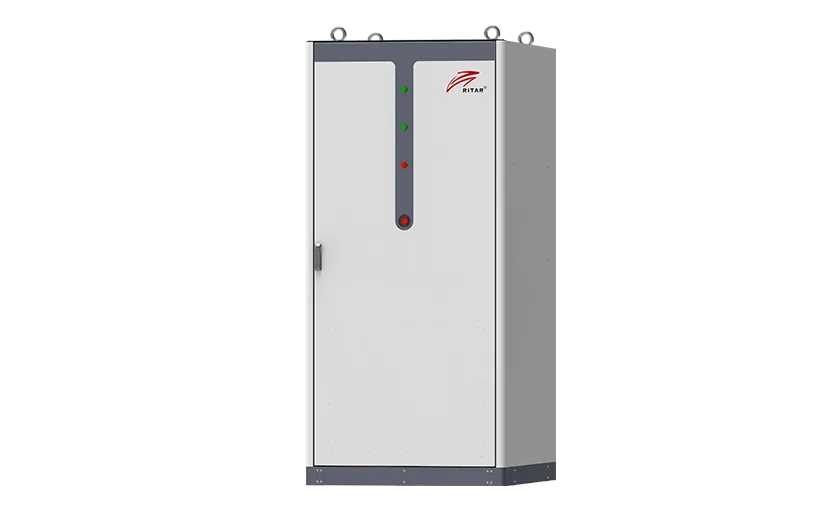
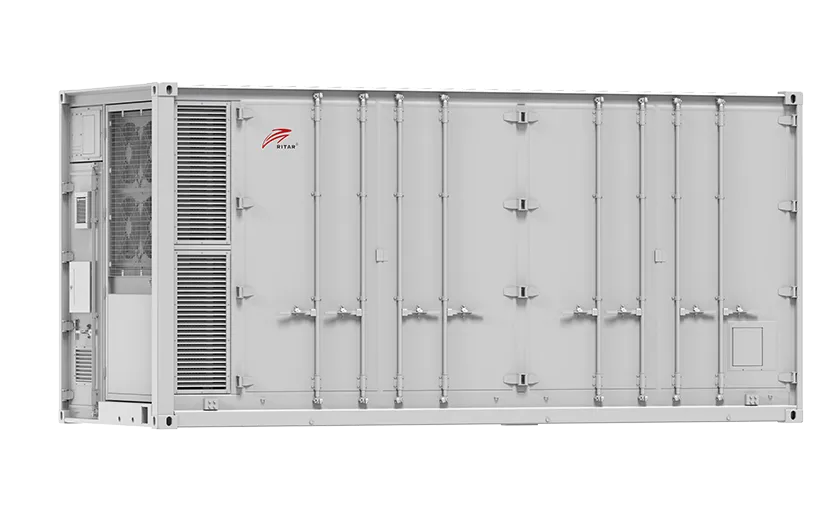
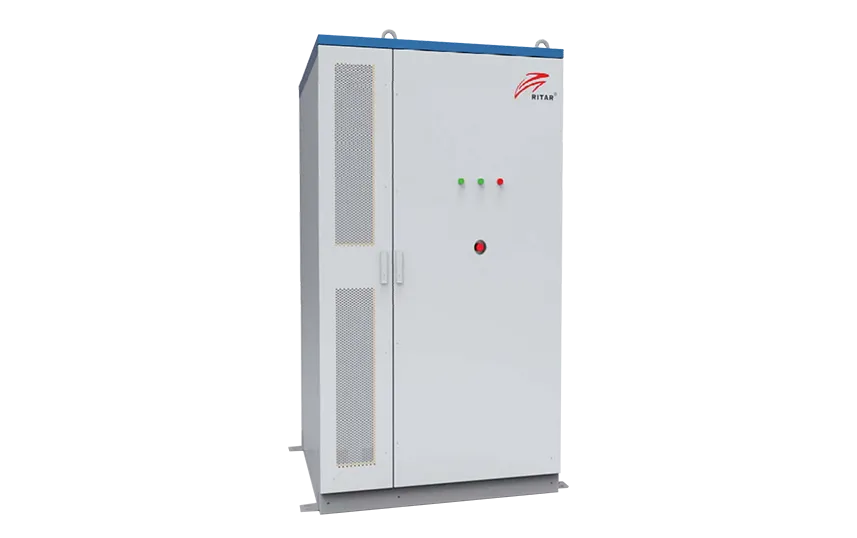
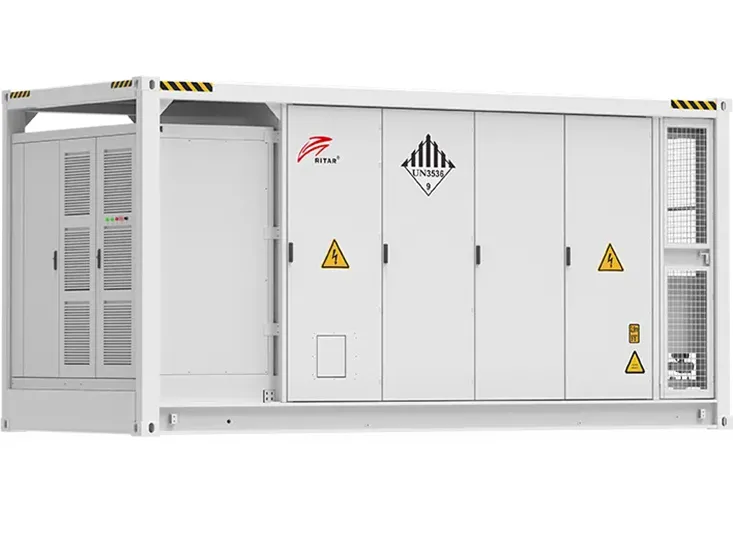
Ritar International Group offers professional, integrated energy storage infrastructure as a Reliable Battery Storage Cabinet Supplier for Global Power Storage and Backup Solutions. This series provides a robust, secure, and scalable environment for diverse energy demands, ranging from compact industrial units to massive utility-scale deployments.
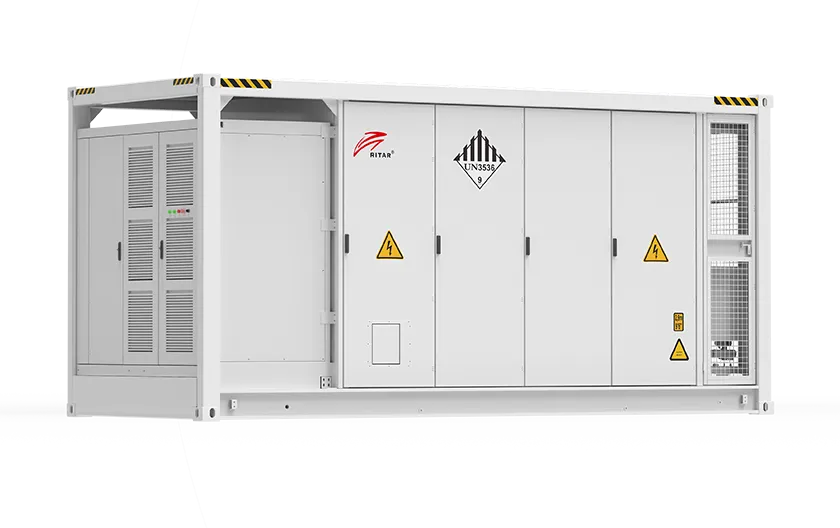
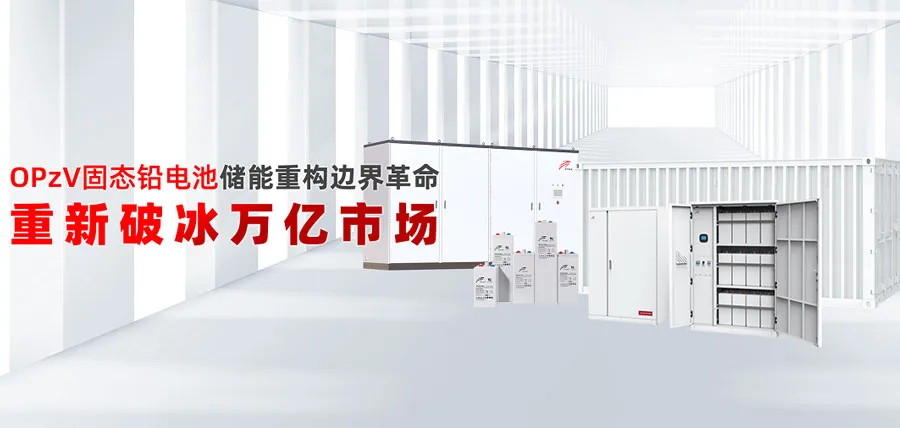
The portfolio features advanced C&I BESS Cabinets and Containers, engineered with high-density LiFePO4 technology, intelligent thermal management, and fire suppression systems to ensure long-term stability for commercial and industrial microgrids. For mission-critical infrastructure, our OPzV Battery Storage Cabinets utilize premium tubular gel technology, offering maintenance-free, deep-cycle resilience in extreme environmental conditions. Certified to international safety standards, Ritar’s cabinet solutions provide a seamless, plug-and-play energy backbone for telecommunications, renewable energy integration, and global emergency backup systems.
Safe LiFePO4 battery: High stability, long cycle life (6,000+ cycles) and low thermal runaway risk.
Smart BMS: 24/7 monitoring, multi-layer protection, cell balancing and precise energy management.
Modular & scalable: Plug-and-play design, wide voltage range and flexible capacity expansion from kWh to MWh.
Advanced thermal management: Stable operation at -20°C to +55°C with strong environmental adaptability.
IoT remote monitoring: Cloud and APP real-time data, OTA updates and predictive maintenance to cut costs.
Ritar offers two primary technology paths depending on the application requirements:
• Solid-State OPzV (Lead-Carbon): Best for long-duration storage, extreme safety requirements, and harsh environments.
• Lithium Iron Phosphate (LiFePO4): Best for high energy density, rapid response, and space-constrained urban or commercial projects.
Safety is handled through a multi-layer architecture:
• Physical Isolation: Standardized cabinets use partition isolation to prevent fire spread between modules.
• Active Monitoring: Real-time monitoring for combustible gases and smoke with early warning triggers.
• Fire Suppression: Pack-level fire extinguishing systems (such as perfluorohexanone or aerosol) and, in specific models, immersion cooling/fire technology.
• Explosion Protection: Roof-mounted explosion-relief panels to safely vent pressure in extreme events.
• Air-Cooled: Uses industrial HVAC systems to circulate air. It is a cost-effective, proven technology suitable for many standard environments.
• Liquid-Cooled: Uses a dedicated coolant loop. It offers superior temperature uniformity (cell difference $< 3^{\circ}C$), higher energy density, and can extend battery life by up to 20% compared to air-cooling.
Yes. Ritar systems are designed for global versatility:
• Cold Climates: Integrated heating films and thermal insulation allow operation in sub-zero temperatures.
• Desert/Tropical Heat: The liquid-cooling systems and IP54/IP55-rated enclosures manage high ambient temperatures and protect against sand/dust.
• Coastal Areas: Enclosures feature C4 or C5-level anti-corrosion coatings to resist salt-mist.
Ritar ESS is equipped with a versatile Power Conversion System (PCS) supporting:
• Peak Shaving & Valley Filling: Charging during low-cost hours and discharging during peak demand.
• Off-Grid/Backup Power: Providing seamless power transition during grid failures.
• Dynamic Capacity Expansion: Helping facilities handle higher loads without upgrading grid infrastructure.
• Frequency Regulation: Fast-response power injection to stabilize the grid.
Most Ritar ESS units (like the PowerCombo series) are factory-prefabricated. This means the battery racks, BMS, PCS, and fire suppression are pre-installed in the container. On-site work is minimized to foundation placement and connecting the AC/DC and communication cables, significantly reducing installation time and labor costs.
The system uses a Three-Level Management Architecture:
1. BMS (Battery Management): Monitors cell voltage, temperature, and SOC.
2. EMS (Energy Management): Optimizes the flow of energy based on demand and grid prices.
3. Cloud Platform: Supports remote monitoring and O&M, allowing you to track performance and receive failure alerts via a smartphone or computer.
By utilizing high-cycle LFP cells ($8,000+$ cycles) or Solid-State OPzV ($3,500+$ cycles) combined with efficient thermal management, Ritar systems aim to reduce LCOS by up to 20% over the total life of the project. This is achieved through reduced maintenance needs and slower battery degradation.
Yes. Ritar ESS supports parallel expansion. You can start with a single cabinet or 20ft container and add more units in parallel as your energy needs grow. The modular design ensures that new units can be integrated with existing ones via the centralized control system.


 Residential
 Commercial & Industrial
 Data Center
 Railway
 Telecom Base Station
 Motive Power
 Others