
Recently, the "Atlas of Design and Installation Standards for Building Photovoltaic Storage System" (hereinafter referred to as the "Atlas"), edited by China Southwest Architectural Design and Research Institute and co edited by China Building Standards Design and Research Institute, was officially published, marking a new stage of standardization and normalization in the electrical design of photovoltaic storage system in China. The "Atlas" not only points out the direction for exploring the construction of "light storage straight flexible" buildings, but also emphasizes that the Solid State OPzV Battery is the only battery that meets the requirements of intrinsic safety energy storage.
In depth analysis of the 'Atlas'
Solid State OPzV Battery becomes the preferred energy storage system for building photovoltaic direct flexible systems
According to the "Atlas", energy storage batteries used in indoor energy storage rooms of civil buildings should meet multiple requirements such as safety, environmental protection, and economy. Among them, Solid State OPzV Battery is recommended as the preferred energy storage option for indoor light storage systems in buildings due to its inherent safety characteristics.
• Solid State OPzV Battery is the preferred battery for indoor energy storage rooms in civil buildings.
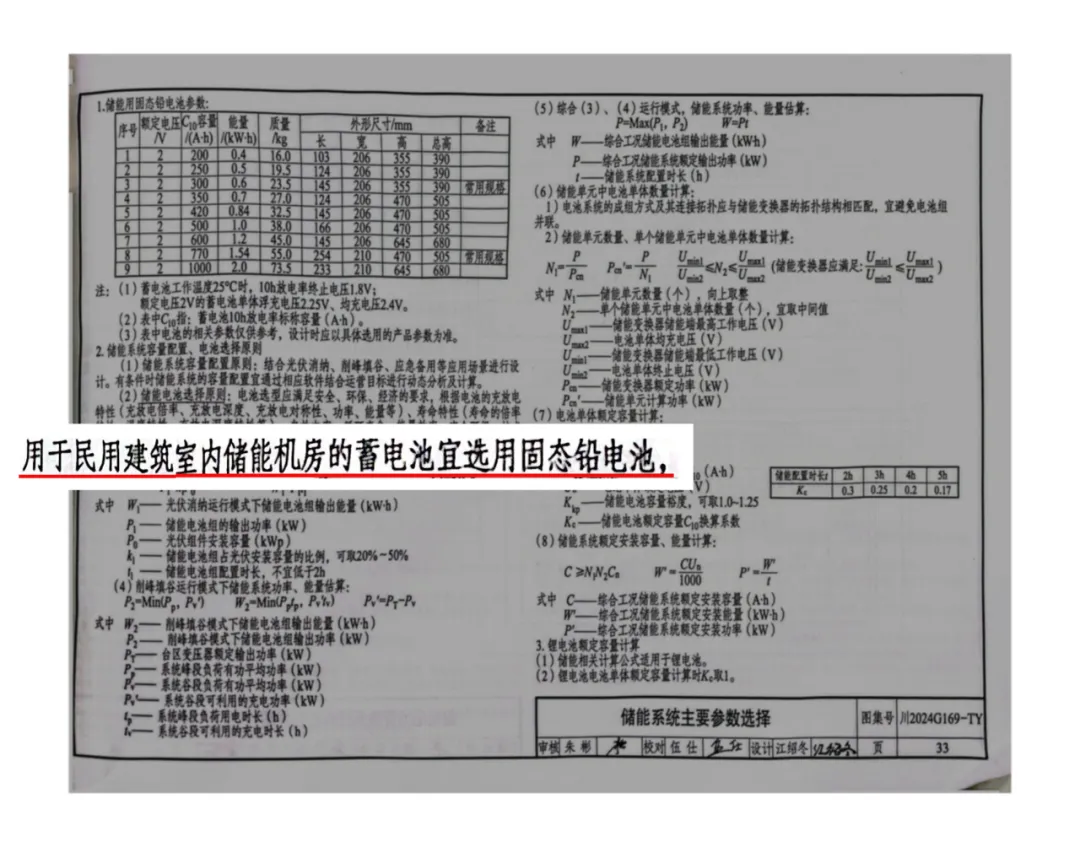
Excerpt from the "Atlas of Design and Installation Standards for Building Light Storage Direct Flexible Systems"
• The Solid State OPzV Battery data collection adopts a three-layer architecture: gateway module, data aggregation module, and individual collection module.
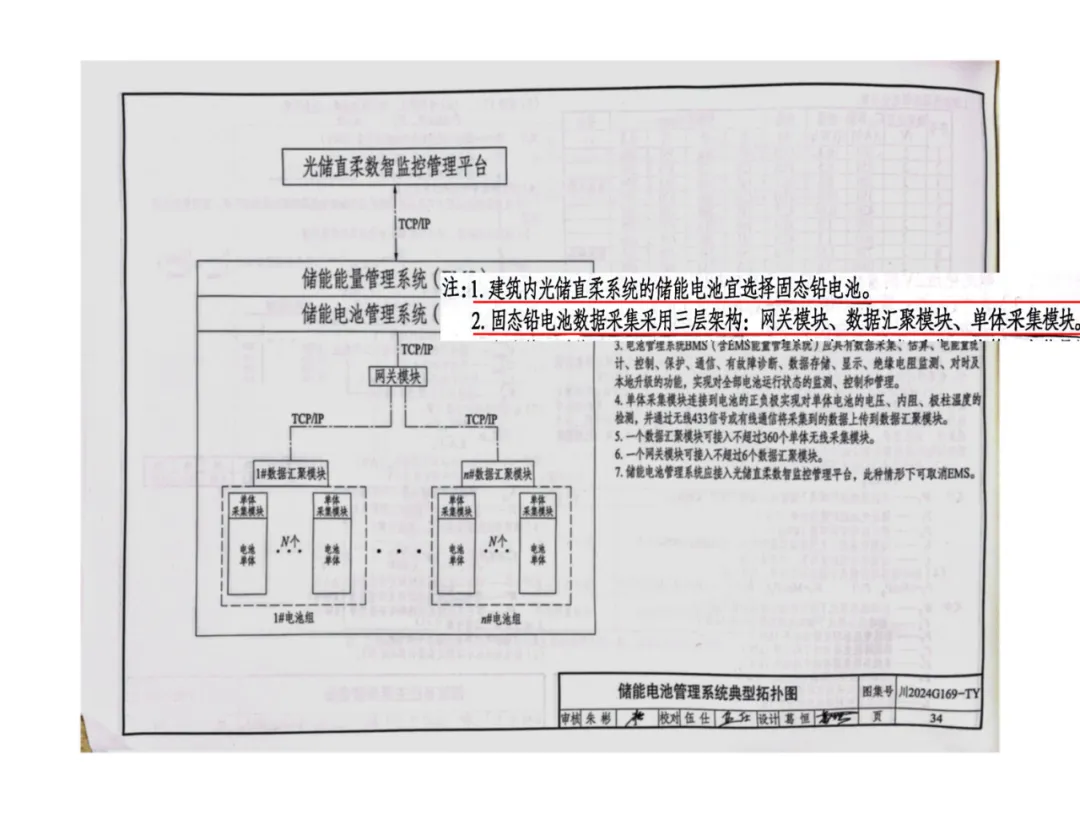
Excerpt from the "Atlas of Design and Installation Standards for Building Light Storage Direct Flexible Systems"
• Design suggestions for DC distribution and energy storage room
The 2V Solid State OPzV Battery is installed vertically, while the 12V Solid State OPzV Battery is installed horizontally.
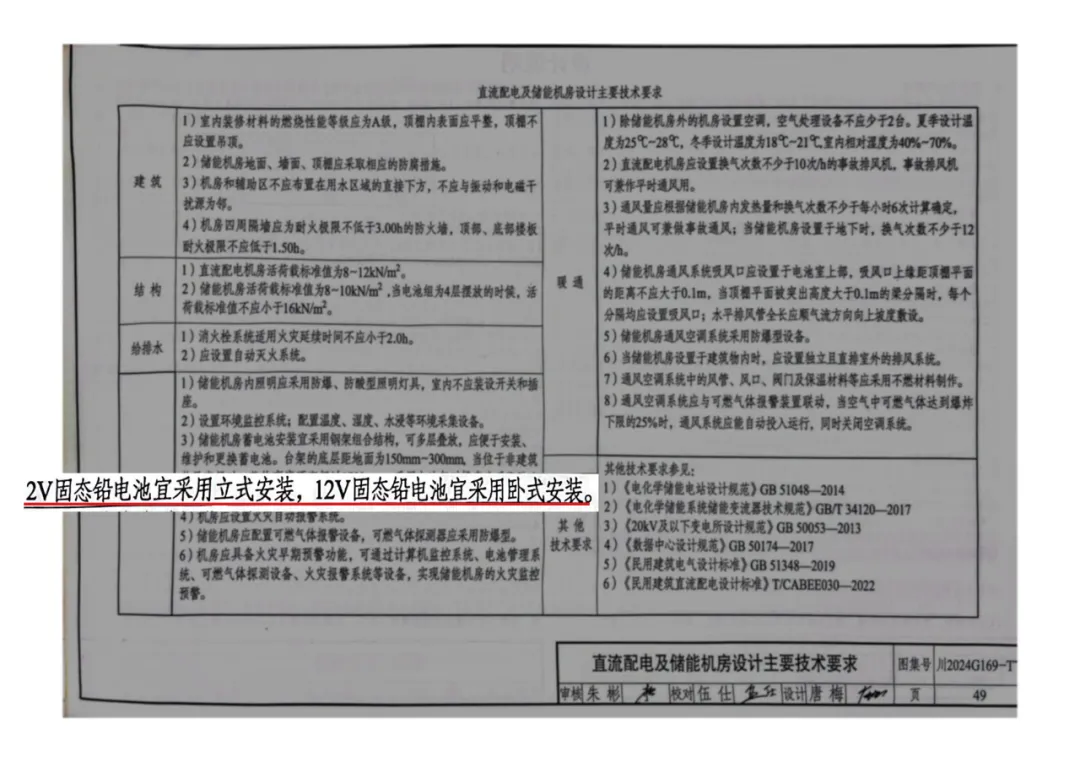
Excerpt from the "Atlas of Design and Installation Standards for Building Light Storage Direct Flexible Systems"
• Design case of photovoltaic storage direct flexible system: The energy storage system adopts 612 Solid State OPzV batteries with a specification of 2V300Ah.
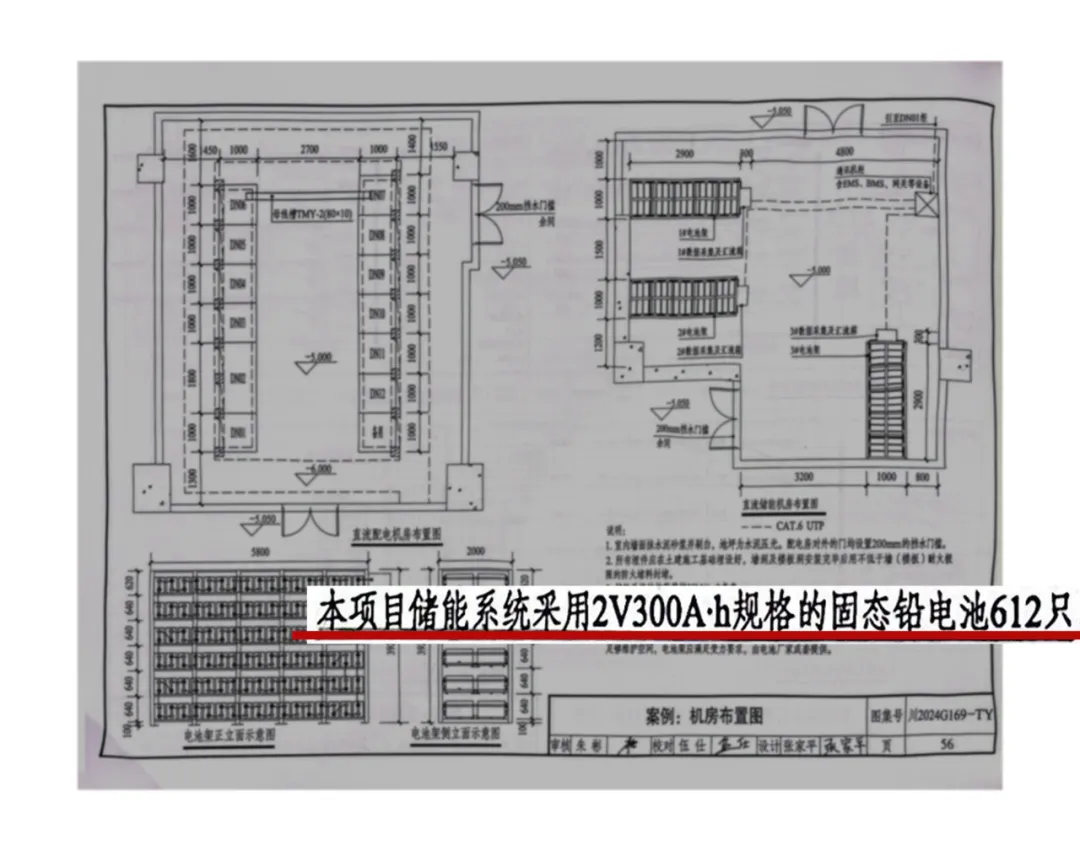
Excerpt from the "Atlas of Design and Installation Standards for Building Light Storage Direct Flexible Systems"
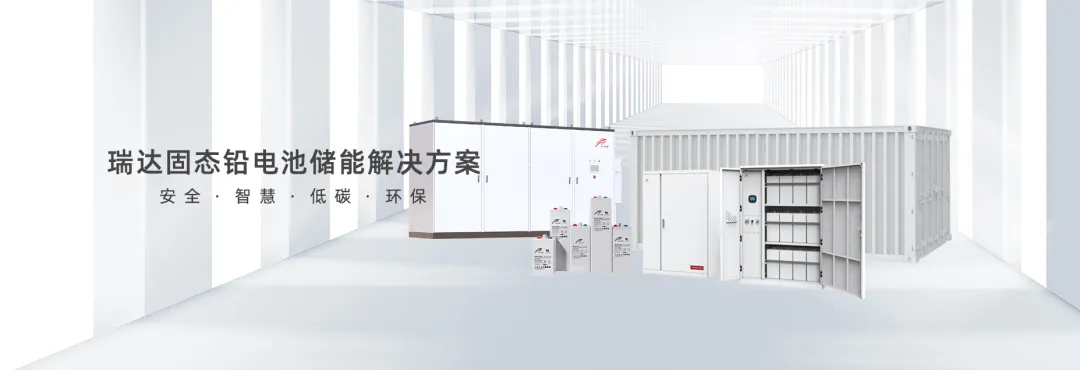
Ritar Solid State OPzV Battery
Intrinsic safety, newly upgraded
The Ritar Solid State OPzV Battery utilizes unique solid-state electrolyte technology to eliminate safety hazards from the source and achieve intrinsic safety. Even if burned in an open flame, it will not ignite or explode, and can be safely used in indoor environments, ensuring its safe use in indoor environments.
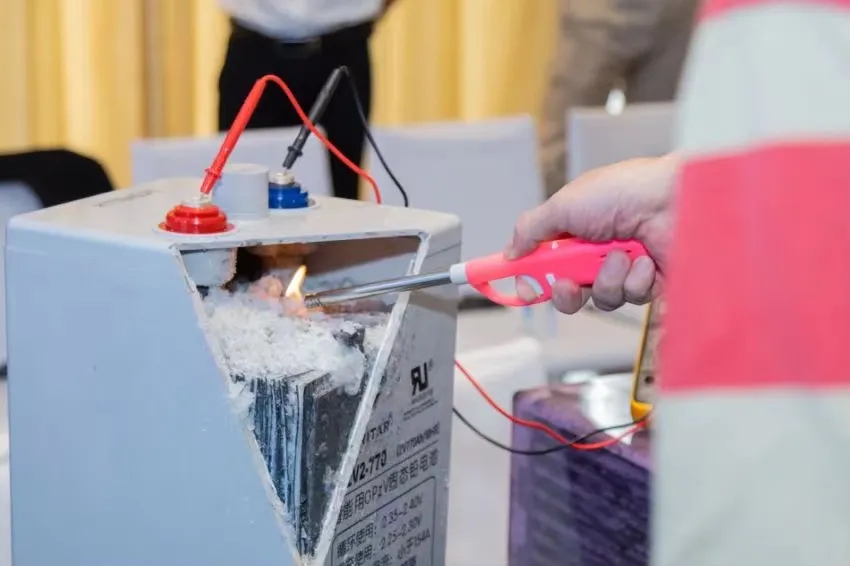
Ritar Solid State OPzV Battery is inherently safe and will not ignite or explode
Ritar Solid State OPzV Battery
Endorsed by multiple authoritative institutions, safe and worry free
The Ritar Solid State OPzV Battery has undergone rigorous testing and meets multiple safety standards, making it a reliable choice for indoor safe energy storage.
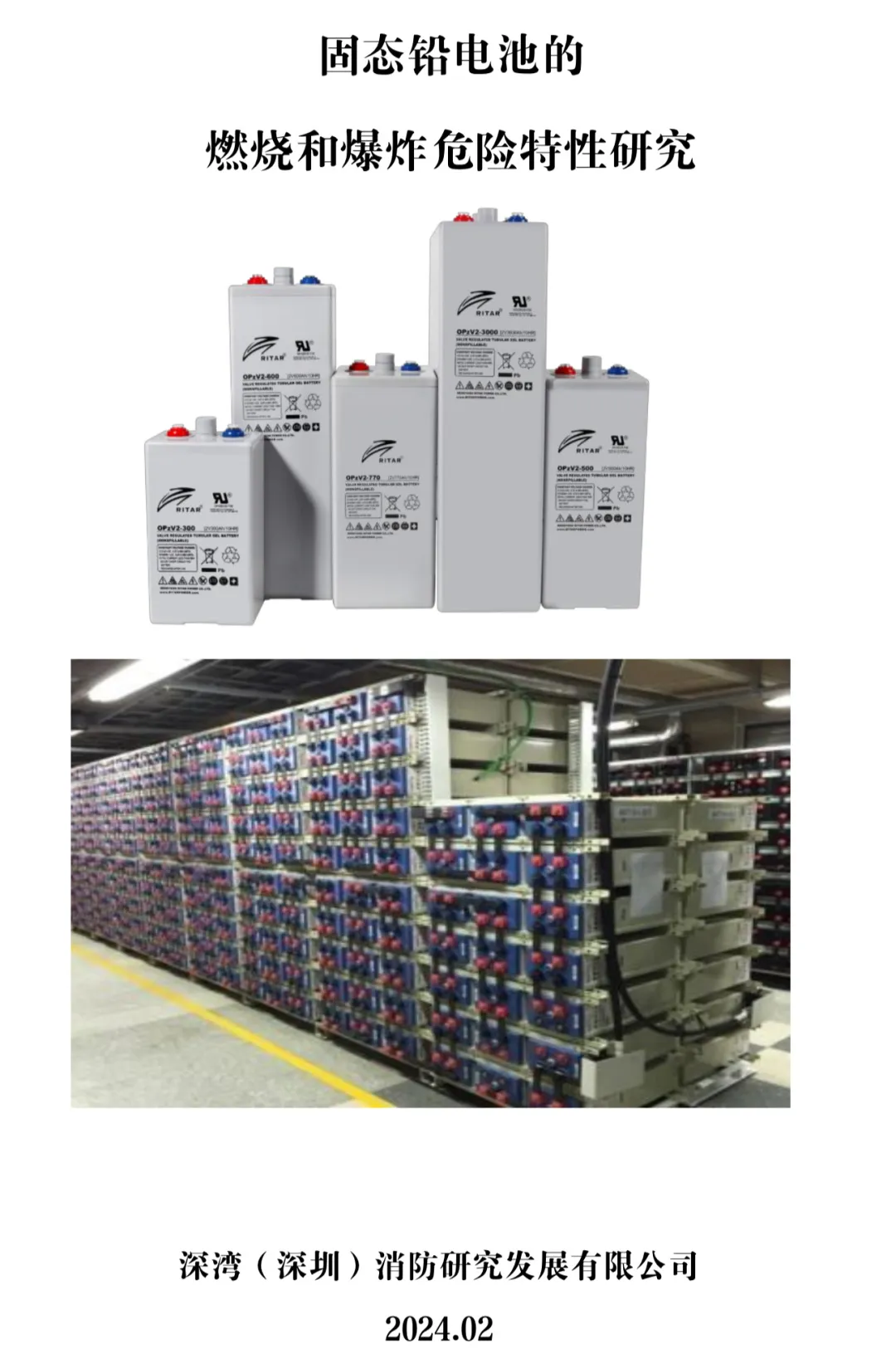
• The Ritar Solid State OPzV Battery has passed rigorous testing by Shenzhen Shenwan Fire Research and Development Co., Ltd. and fully complies with the strict requirements of the "Code for Design of Industrial Upstairs Buildings" for the intrinsic safety of batteries.
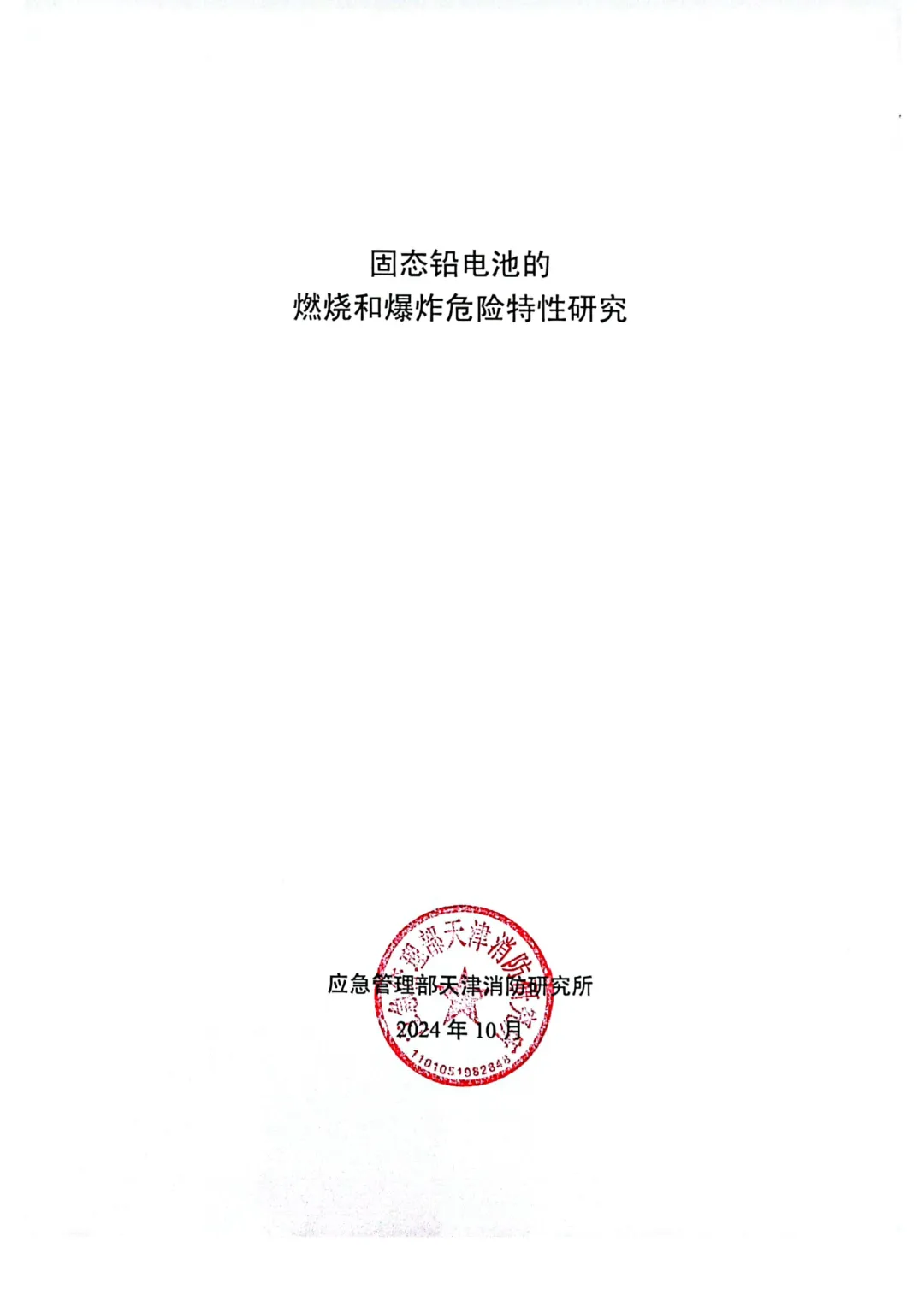
• The study on the combustion and explosion hazard characteristics of the Solid State OPzV Battery released by the Tianjin Fire Research Institute of the Ministry of Emergency Management proves that the Ritar Solid State OPzV Battery is inherently safe.
The essential safety features of Solid State OPzV Battery not only provide solid safety guarantees for building photovoltaic storage systems, but also promote innovative development in the entire field of safe energy storage. In the future, Ritar will jointly promote the deep integration and application of the innovative technology of "light storage, direct and flexible" through technological innovation and practical exploration, and help buildings achieve the "dual carbon" strategic goal.

 National hotline

















 WeChat Video Account
Copyright © 1993-2024 Ritar International Group Limited Al Rights Reserved
粤ICP备13066571号
 粤公网安备 44030602007433号

 CN
CN